


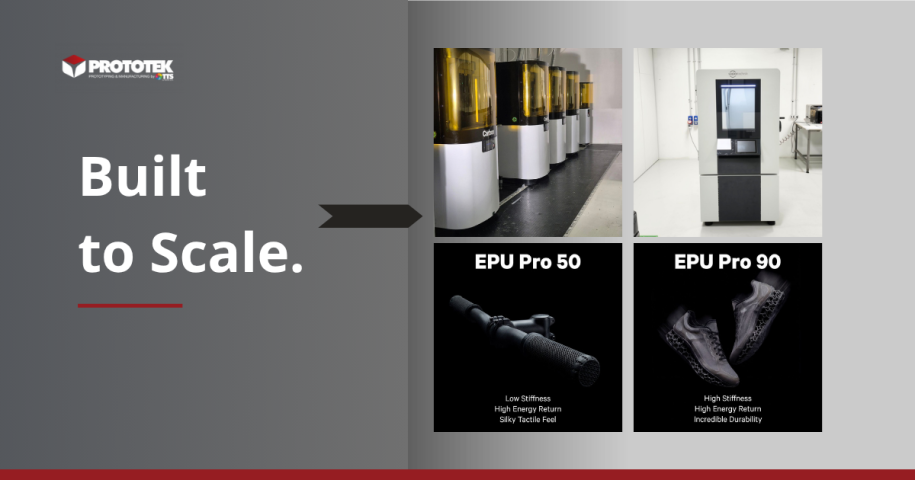
Elastomer 3D printing production is no longer limited to prototypes and pre-series samples.
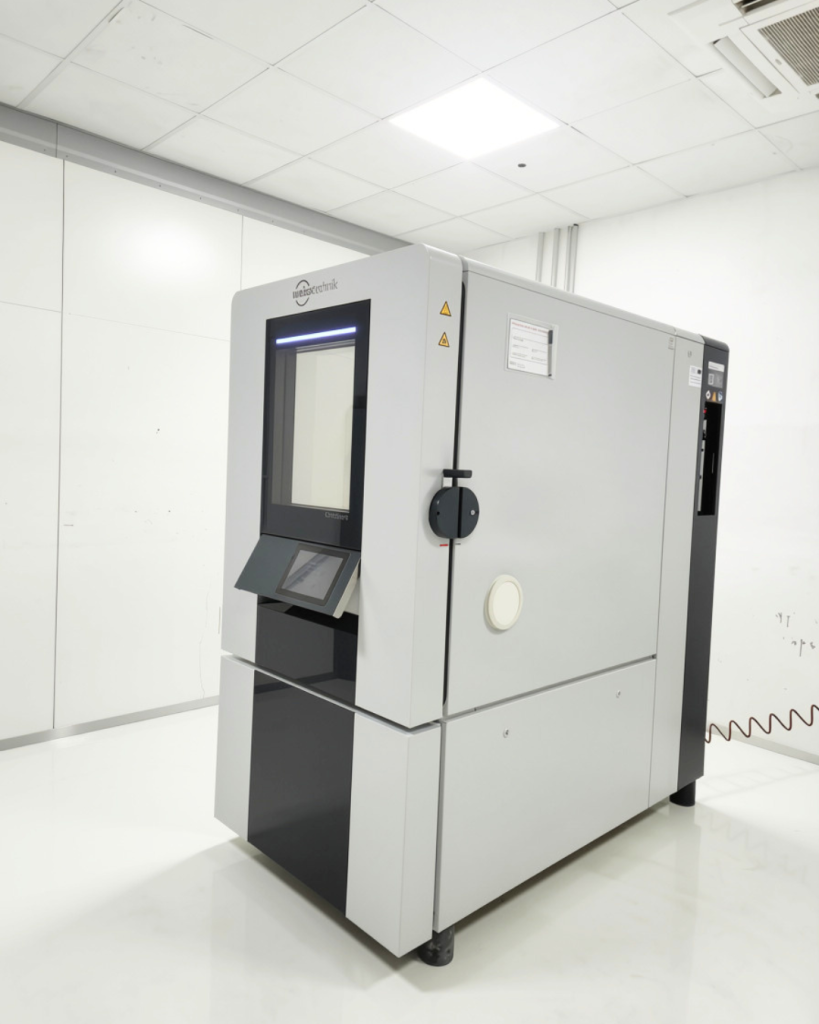
With a new humidity chamber now running on our Carbon DLS™ line, Prototek’s industrial 3D printing service can produce Carbon’s EPU Pro elastomer family, EPU Pro 50 and EPU Pro 90, at production volumes, using the same process control already applied to EPU 46.
In short:
- What’s new: a humidity chamber integrated into the Carbon DLS™ workflow, the process step required to run EPU Pro materials at volume.
- What it enables: EPU Pro 50 and EPU Pro 90 parts from a single prototype to series runs of thousands of parts.
- Why it matters: product teams can validate a design and move it into production with the same material, the same process and the same partner.
What changed: a new humidity chamber on the Carbon DLS™ line
Printing a new elastomer as a sample and producing it in volume are two different things. A sample proves that a geometry and a material work together. Production requires that every part, in every batch, comes out with the same properties.
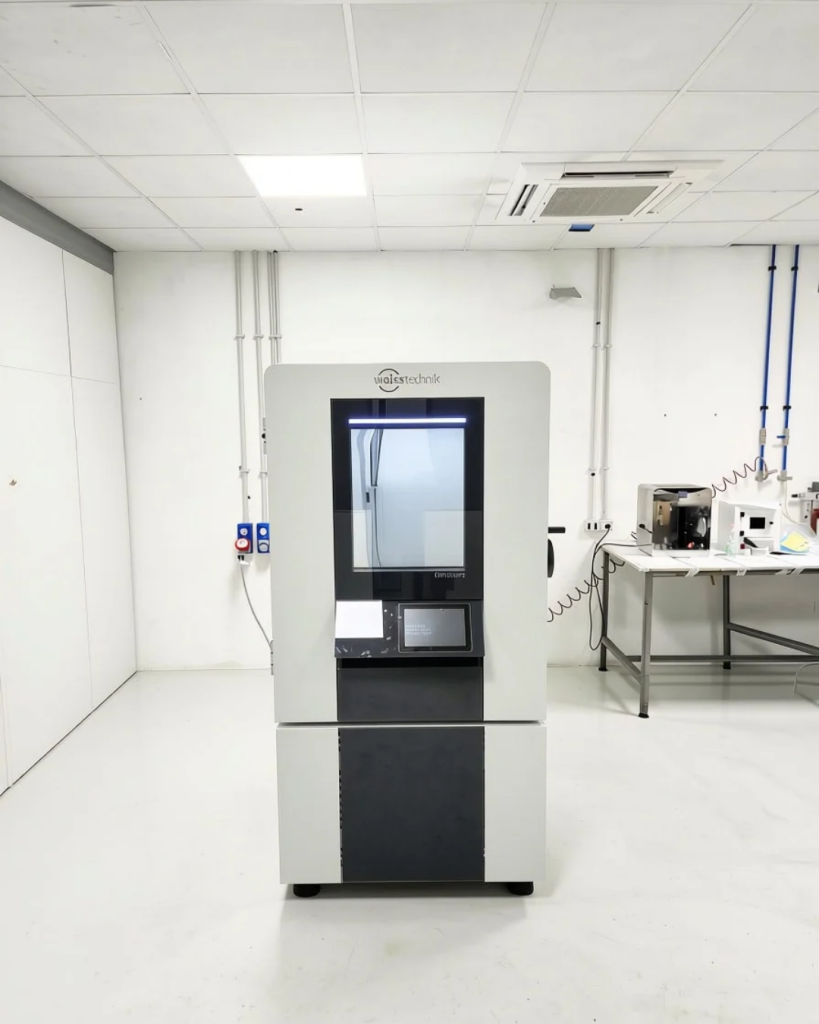
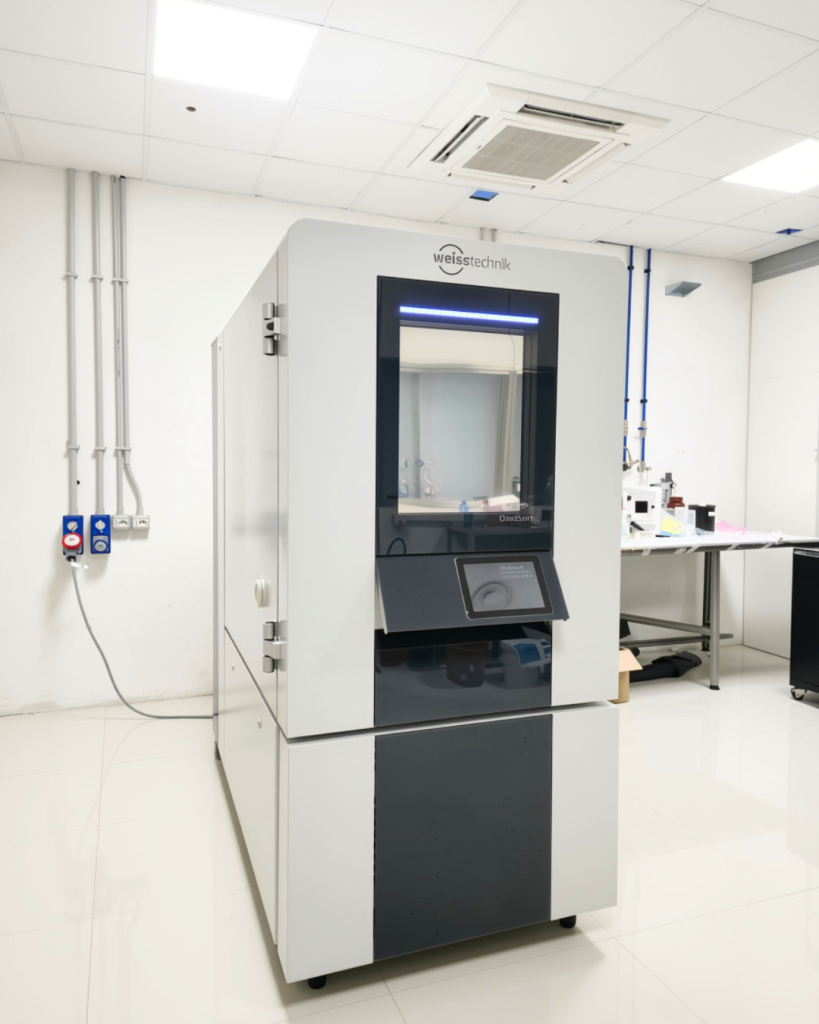
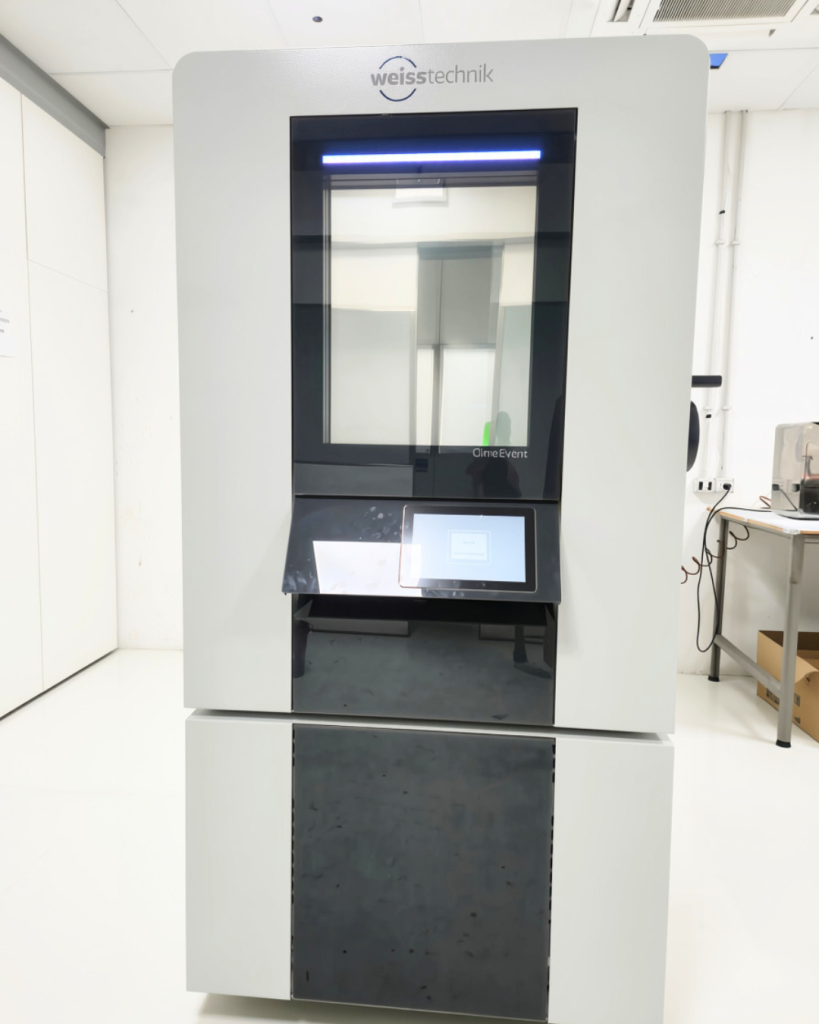
For the EPU Pro family, the step that makes this possible is a dedicated humidity chamber, now operating on our Carbon DLS™ line. Carbon’s standard workflow for EPU Pro includes a curing stage under controlled temperature and humidity.
The chamber brings that stage onto our production line, so that EPU Pro parts can be processed in production volumes, not only as samples.
It is one more piece of a choice we keep making: investing in materials, hardware and production equipment, so that every new material can scale the way EPU 46 already does.
Why scaling a new elastomer takes more than a new resin
Access to a new resin is only the starting point. To move an elastomer from the lab to the production floor, a service bureau needs:
- Qualified hardware and equipment for every step of the material’s workflow, from printing to post-processing.
- Installed capacity to run the material continuously. Prototek operates 7 Carbon DLS™ machines, running 24/5.
- Process control that keeps mechanical properties consistent from the first part to the last.
- A certified quality system. Prototek is ISO 9001 and ISO 27001 certified, covering both process quality and the security of customer project data.
This is why our investment strategy is continuous: each new material family requires its own equipment, and each addition broadens the range of parts we can deliver at volume.
EPU Pro 50: softness, comfort and over 800% elongation
EPU Pro 50 is the softer of the two EPU Pro materials, designed for components where comfort and touch are part of the performance.
Key characteristics, based on Carbon’s technical data:
- Shore A hardness of 53, for soft, compliant parts.
- Elongation at break above 800%: the material stretches substantially and returns to its original shape.
- Soft, matte surface finish with a pleasant tactile feel.
- High energy return combined with low stiffness.
Typical applications:
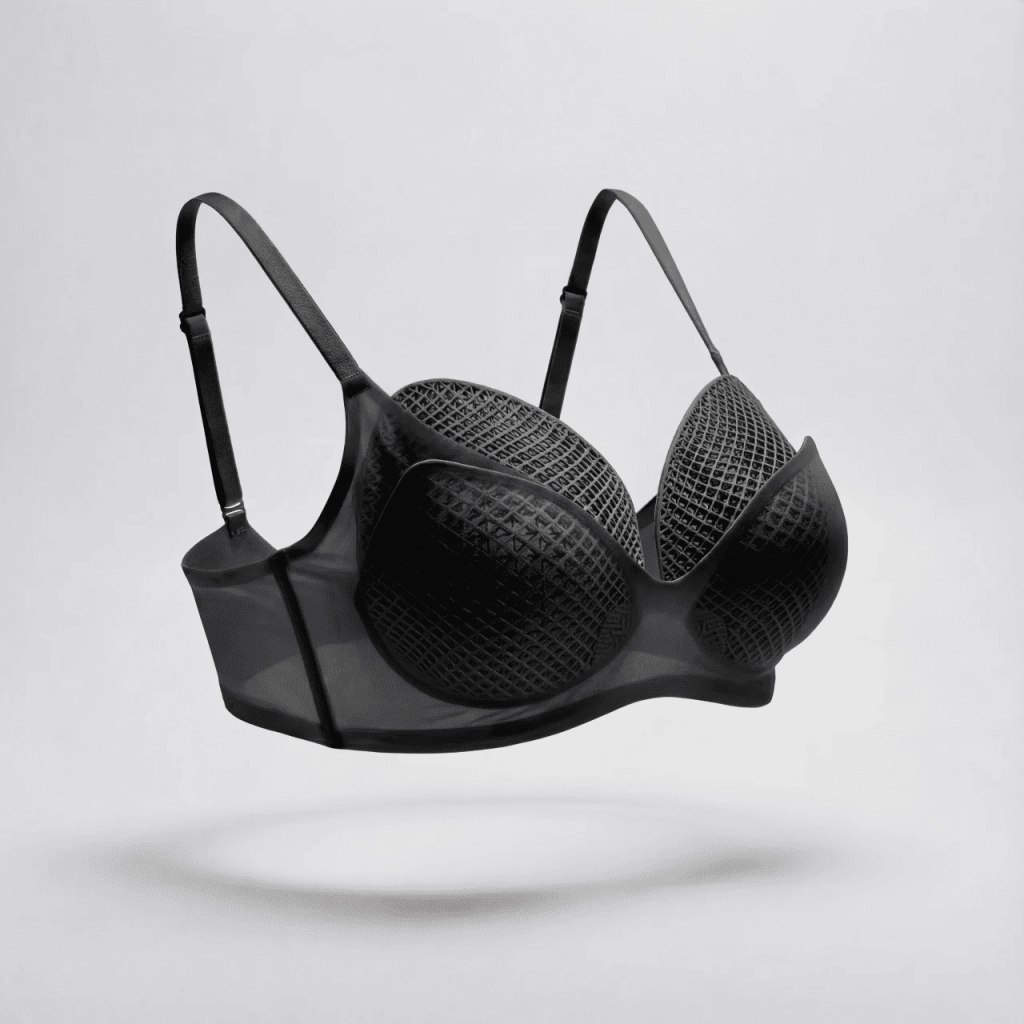
- Comfort padding and cushioning elements
- Wearable and apparel components in contact with the body
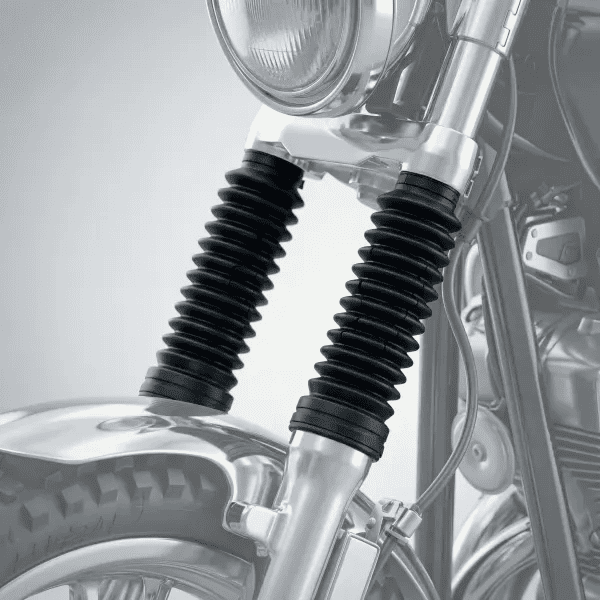
- Seals, gaskets and flexible protective covers
- Soft-touch grips and interfaces
Full technical details are available on the EPU Pro 50 material page.
EPU Pro 90: high Shore hardness for thinner, lighter lattices
EPU Pro 90 sits at the opposite end of the family. With a Shore A hardness of 88, it is the hardest elastomer in the Prototek Carbon DLS™ portfolio, combining high stiffness, high energy return and durability.
Why higher hardness means lighter lattice structures
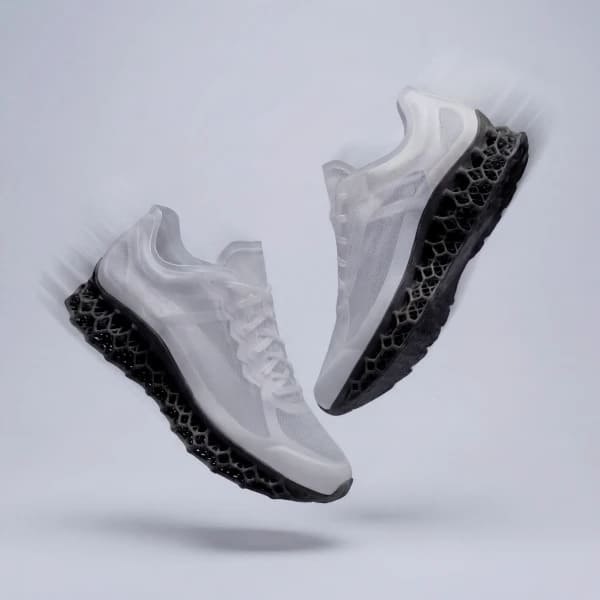
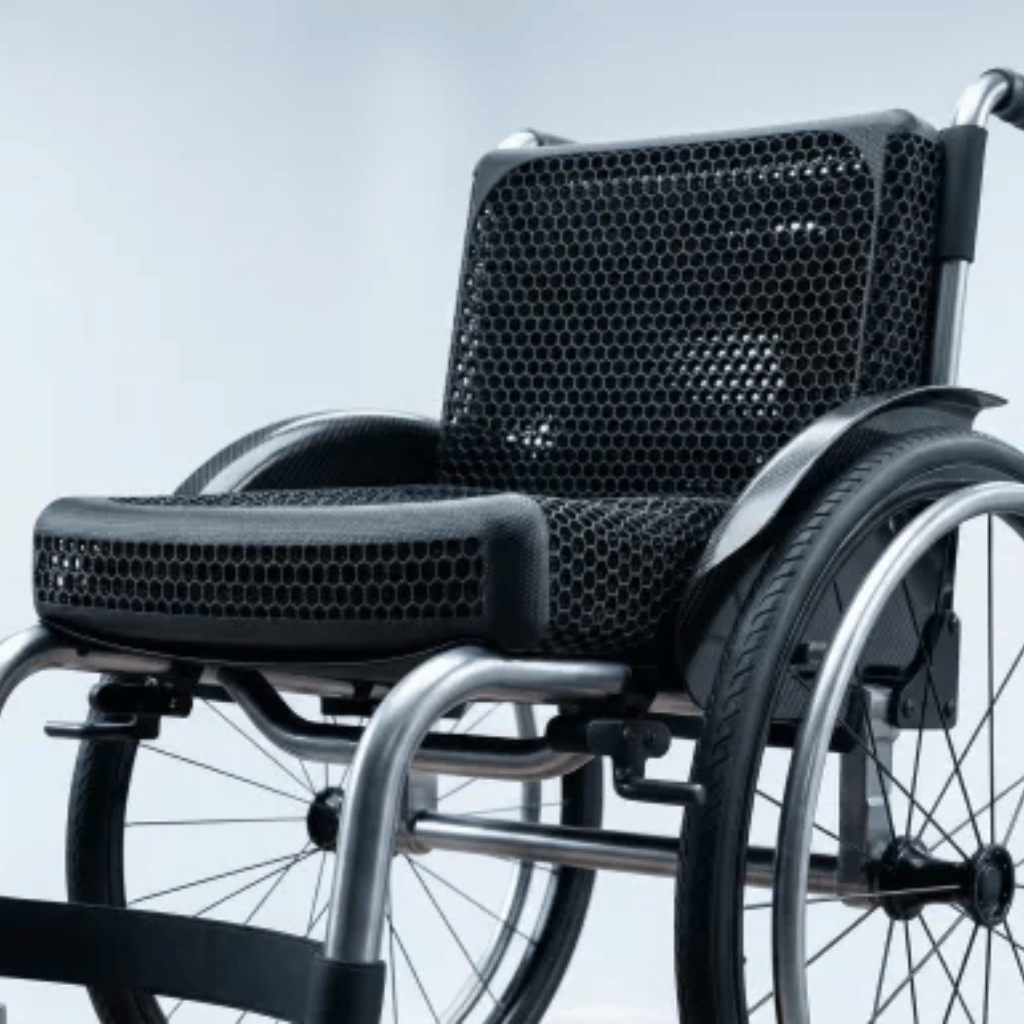
In a lattice, the stiffness of the overall structure depends on both the geometry and the material. A harder elastomer delivers the required stiffness with thinner struts and less material.
The practical result for designers and engineers:
- Lighter parts that retain the target mechanical response
- Finer, more delicate lattice structures where weight must come off
- Performance placed exactly where it is needed, through zones of different lattice density within a single part
Typical applications: performance seating and saddles, protective padding, structural cushioning, and any component where weight reduction cannot compromise support.
Full technical details are available on the EPU Pro 90 material page.
| Property | EPU Pro 50 | EPU Pro 90 |
|---|---|---|
| Shore A hardness | 53 | 88 |
| Elongation at break | 820% | 440% |
| Tear strength | 20 kN/m | 45 kN/m |
| Stiffness | Low | High |
| Key strength | Comfort, softness, elongation above 800% | Stiffness for thin, lightweight lattices |
| Surface feel | Soft, matte, pleasant to the touch | Firm, durable |
| Typical use | Padding, wearables, seals, soft-touch parts | Seating, protective padding, lightweight structures |
| Production at Prototek | From prototype to series runs | From prototype to series runs |
From samples to series production: what it means for product teams
For R&D managers, engineers and designers, production readiness changes how a project can be planned:
- No material change between prototype and production. The material validated in testing is the material used in the final part.
- Scalable volumes. From a single prototype to series runs of thousands of parts, without tooling.
- On-demand production. Parts are produced when they are needed, reducing the need for warehouse stock.
- Design freedom. Lattice structures and complex geometries that conventional molding cannot produce.
- Technical support at every stage, from DfAM consulting to material selection.
Elastomer 3d printing production: the same model as EPU 46
More materials, higher volumes, same process control
EPU 46 has already proven this model at Prototek: it is used in commercial products such as the new Selle Italia Unica, the Capmec Marine 3Damper and, alongside RPU 70, the Alexander Wang Griphoria Knittel Heels.
EPU Pro 50 and EPU Pro 90 now follow the same path. The principle behind every new investment stays the same:
More materials. Higher volumes. Same process control.
FAQ about elastomer 3d printing production
Can EPU Pro 50 and EPU Pro 90 be used for series production?
Yes. With the humidity chamber now running on our Carbon DLS™ line, Prototek can process both materials in production volumes, from a single prototype to series runs of thousands of parts.
What is the difference between EPU Pro 50 and EPU Pro 90?
EPU Pro 50 (Shore 53A) is soft and highly elastic, with elongation at break above 800% and a soft matte finish. EPU Pro 90 (Shore 88A) is stiff, which allows thinner, lighter lattice structures with the same mechanical performance.
Why does Prototek invest in new production equipment?
Each elastomer family has its own process requirements. Dedicated equipment, such as the humidity chamber, is what allows a new material to move from samples to consistent production volumes.
Which elastomer is best for lightweight lattice structures?
EPU Pro 90 is suited to lightweight lattices: its high Shore hardness allows thinner struts while maintaining the required stiffness.
Which other Carbon DLS™ elastomers does Prototek offer?
The Prototek elastomer portfolio includes EPU 40, EPU 41, EPU 43, EPU 45, EPU 46, EPU Pro 50 and EPU Pro 90.
Bring EPU Pro into production
Evaluating EPU Pro 50 or EPU Pro 90 for a new component, or planning the move from prototype to series production?
The Prototek technical team provides dedicated consulting on material selection, lattice design and production planning.