


epu pro 50 carbon 3d printing
EPU Pro 50
Carbon DLS™ 3D Printing:
Flexible Elastomer for High-Performance Parts
EPU Pro 50 3D printing is a Carbon DLS™ production process that uses a single-part, dual-cure elastomeric resin to manufacture flexible, soft-touch components with an elongation at break of 820% and a Shore A hardness of 53.
Unlike traditional two-part elastomers, EPU Pro 50 requires no mixing, offers an extended pot life, and enables print speeds up to 70% faster than earlier-generation elastomers.
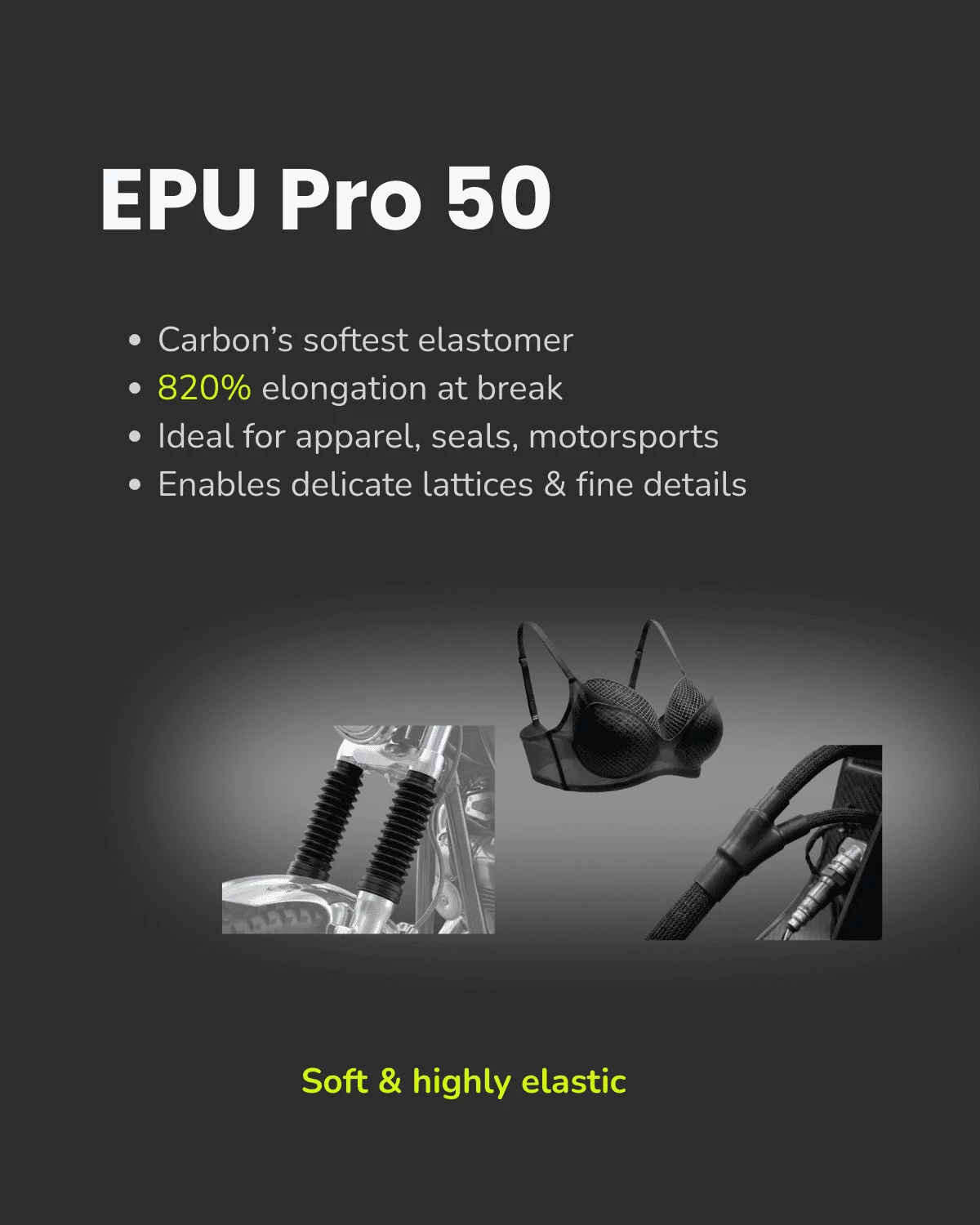
Prototek uses EPU Pro 50 to produce functional prototypes and end-use parts for footwear, apparel, seating, seals, and motorsport applications.
What is EPU Pro 50?
EPU Pro 50 is part of Carbon’s EPU Pro platform, a family of single-part, dual-cure elastomers developed to expand the range of mechanical responses available for latticed and end-use additive manufacturing parts.
Being single-part means the resin does not require the operator to weigh and mix two separate liquid components before printing — a workflow simplification that reduces material waste and processing time while maintaining the mechanical performance typical of Carbon’s dual-cure chemistry.
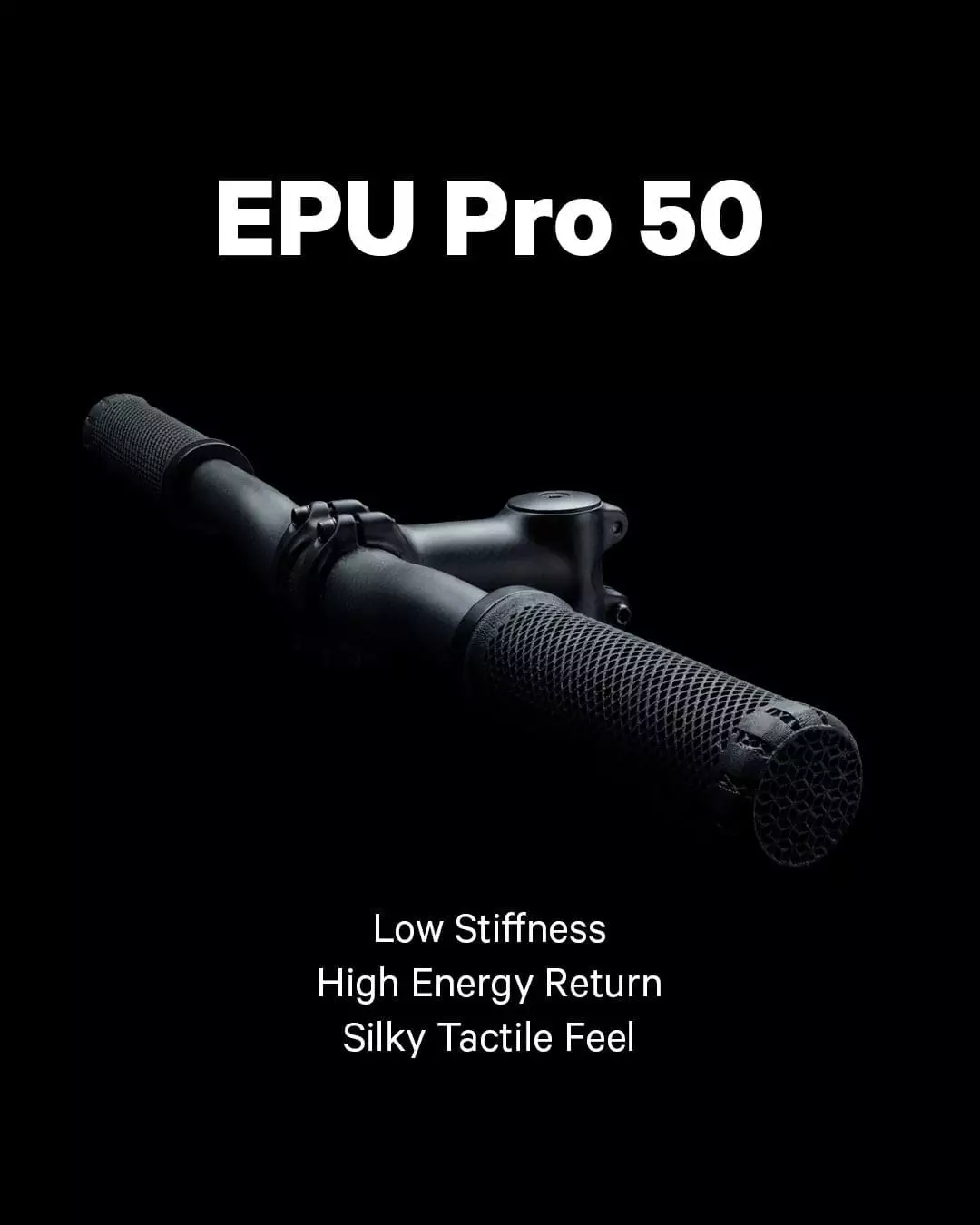
Within the platform, EPU Pro 50 is positioned as the softest, most flexible formulation, intended for applications where stretch, cushioning, and a smooth surface feel are the primary design drivers.
Single-Part, Dual-Cure: Why It Matters for Production
Two-part elastomers require precise metering and mixing before each print, which increases labor, equipment needs, and the risk of batch-to-batch variation.
EPU Pro 50, by contrast, is dispensed as a single liquid and cured in two stages (UV light followed by thermal bake), which:
- Eliminates manual mixing and reduces operator-dependent variability.
- Extends usable pot life, allowing unused resin to be reclaimed after a print.
- Supports solvent-free post-processing and melt-processing of cured parts.
- Simplifies scale-up from prototype to serial production.
EPU Pro 50 Technical Properties
The table below summarizes the mechanical, thermal, and physical properties of EPU Pro 50, based on Carbon’s official technical datasheet.
| Property | Test Standard | EPU Pro 50 |
|---|---|---|
| Shore A Hardness | ASTM D2240 | 53 A (instant) |
| Elongation at Break | ASTM D412 | 820% |
| Tensile Modulus | ASTM D412 | 3 MPa (400 psi) |
| Ultimate Tensile Strength | ASTM D412 | 14 MPa (2000 psi) |
| Tear Strength (0.8 mm) | ASTM D624 | 20 kN/m (110 lbf/in) |
| Glass Transition Temperature (Tg) | ASTM D4065 | -52 °C (-61.6 °F) |
| Bayshore Resilience | ASTM D2632 | 44% |
| Compression Set (23 °C, 72h) | ASTM D395-B | 29% |
| Ross Flex (23 °C and -10 °C) | ASTM D1052 | > 100,000 cycles |
| Bulk Density | ASTM D792 | 1.06 g/cm³ |
These figures reflect parts processed and cured according to Carbon’s standard EPU Pro 50 workflow; actual performance depends on part geometry, orientation, and post-processing.
How Does EPU Pro 50 Compare to Standard TPU?
EPU Pro 50 is frequently evaluated as an alternative to thermoplastic polyurethane (TPU) in applications requiring high elongation and a soft touch.
Compared to injection- or extrusion-processed TPU, EPU Pro 50 allows engineers to combine material softness with complex internal lattice geometries in a single print — a level of design freedom not achievable with conventional TPU processing routes.
Material selection between the two ultimately depends on production volume, part geometry, and target mechanical response; Prototek’s technical team can help validate the right choice for each project.
How Does EPU Pro 50 Compare to Other Carbon Elastomers?
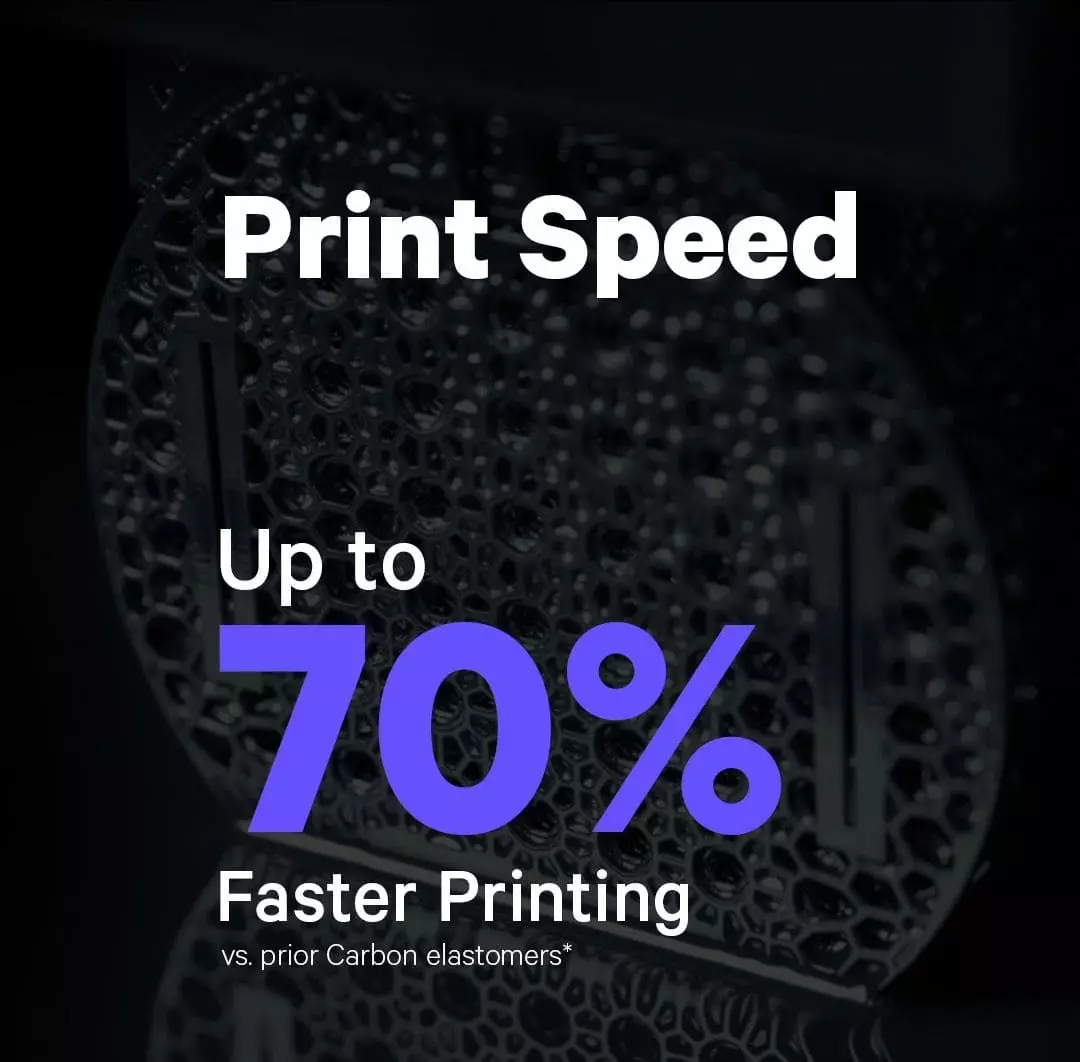
Within Carbon’s broader elastomer portfolio, EPU Pro 50 stands out primarily for print speed and workflow efficiency rather than for softness alone. On printers with force feedback, EPU Pro 50 can print the same build of challenging parts up to 70% faster than EPU 40, one of Carbon’s earlier-generation elastomers, while also delivering improved print strength across the durometer range.
This combination allows Prototek to increase throughput on complex, delicate geometries without sacrificing the mechanical reliability expected from Carbon’s dual-cure chemistry. Compared to energy-damping formulations such as EPU 45 or energy-returning, bio-derived options such as EPU 46, EPU 50 is positioned for projects where elongation, softness, and faster production cycles are the priority.
At the same time, EPU 45 and EPU 46 remain the reference choice when damping behavior or bio-derived content is a specific project requirement.
Applications of EPU Pro 50
Footwear Components
EPU Pro 50‘s combination of high elongation, soft touch, and matte surface finish makes it suitable for lightweight footwear elements — midsoles, linings, and cushioning inserts — where cushioning performance and a distinctive tactile finish are design priorities.
Apparel and Wearable Parts
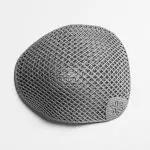
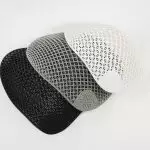
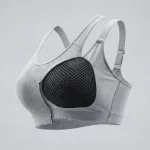
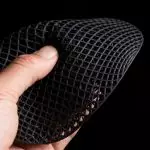
The material’s stretchiness and non-water-absorbing behavior support apparel applications such as support structures and cups, where lattice designs can create a lightweight support feel without compromising hold or recovery.
Seals and Gaskets
With a very high elongation at break, EPU Pro 50 is suitable for sealing components. Its print strength also enables geometries that would be difficult to achieve with earlier-generation elastomeric resins, including certain unvented shapes.
Motorsport and Racing Components
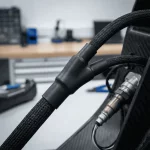
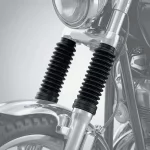
The elongation profile supports flexible protective covers and form-fitting enclosures designed to stretch over mechanical components and return to shape — useful for custom, one-off parts in demanding operating environments.

Why Choose Prototek for EPU Pro 50 3D Printing?
Prototek is a certified Italian additive manufacturing service bureau (ISO 9001, ISO 27001) specializing in Carbon DLS™ and HP Multi Jet Fusion production.
Processing EPU Pro 50 requires close control over dispensing, curing, and post-processing parameters to achieve consistent mechanical properties across a production batch.
In this area, over 20 years of additive manufacturing know-how and dedicated technical consulting make the difference between a functional prototype and a validated production part.
Working with Prototek on EPU Pro 50 projects means:
- Dedicated technical consulting from prototype through serial production
- Production capacity to scale from a single part to thousands of units
- Certified quality and information security management systems (ISO 9001, ISO 27001)
- Design for Additive Manufacturing (DfAM) support to fully exploit the material’s flexibility and lattice capabilities
- On-demand production that removes the need for warehouse stock.
Frequently Asked Questions About EPU Pro 50
What is the Shore A hardness of EPU Pro 50?
EPU Pro 50 has an instant Shore A hardness of 53 (54 after 5 seconds), making it one of the softest elastomers in Carbon’s DLS™ portfolio.
Is EPU Pro 50 biocompatible?
Printed parts in EPU Pro 50 have met the requirements of ISO 10993-5 (cytotoxicity), ISO 10993-10 (skin sensitization), and ISO 10993-23 (irritation) testing conducted by an accredited third-party laboratory.
Can EPU Pro 50 replace TPU in my application?
In many cases, yes — particularly where complex internal lattice geometries are required, since EPU Pro 50 combines material softness with a level of design freedom not achievable with conventional TPU processing routes. The right choice still depends on production volume, mechanical requirements, and part geometry; Prototek’s technical team can advise during the design phase.
How Does EPU Pro 50 Compare to Other Carbon Elastomers?
EPU Pro 50 prints up to 70% faster than EPU 40 on printers with force feedback, with improved print strength across the durometer range. It is positioned for projects prioritizing elongation, softness, and faster production cycles, while EPU 45 (energy-damping) and EPU 46 (bio-derived, energy-returning) remain the reference choice when those specific behaviors are required.
What is the maximum elongation at break of EPU Pro 50?
EPU Pro 50 reaches an elongation at break of up to 820% (measured on 0.8 mm thickness samples per ASTM D412).
How does EPU Pro 50 differ from EPU Pro 90?
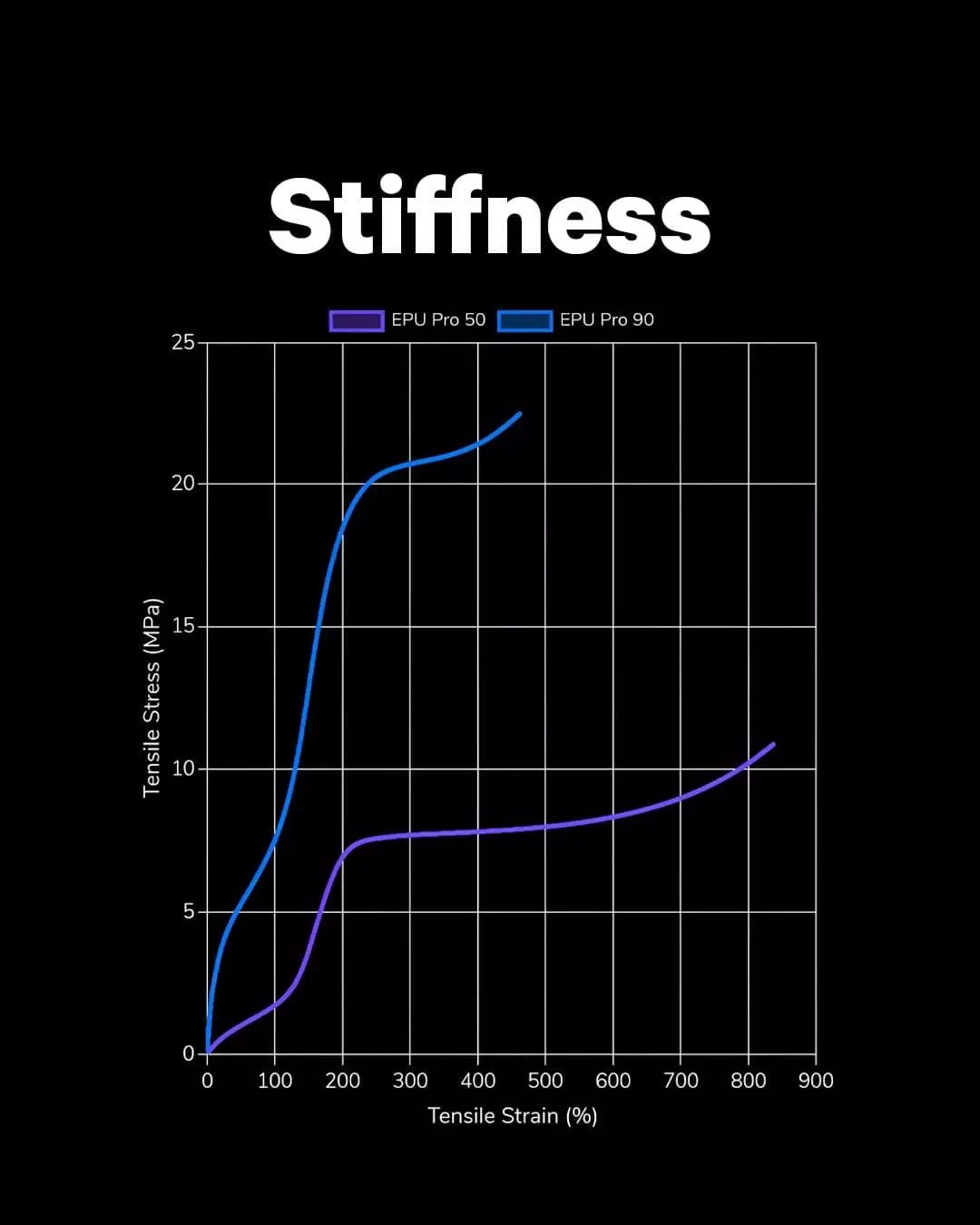
EPU Pro 50 is the softer, more flexible formulation of the EPU Pro platform (53A hardness, 820% elongation), while EPU Pro 90 is stiffer and stronger (88A hardness, 440% elongation), suited to applications requiring more structural rigidity.
Are you evaluating EPU Pro 50 for your next project?
Contact Prototek’s technical team for a dedicated consultation on material selection, part design, and production scalability.