


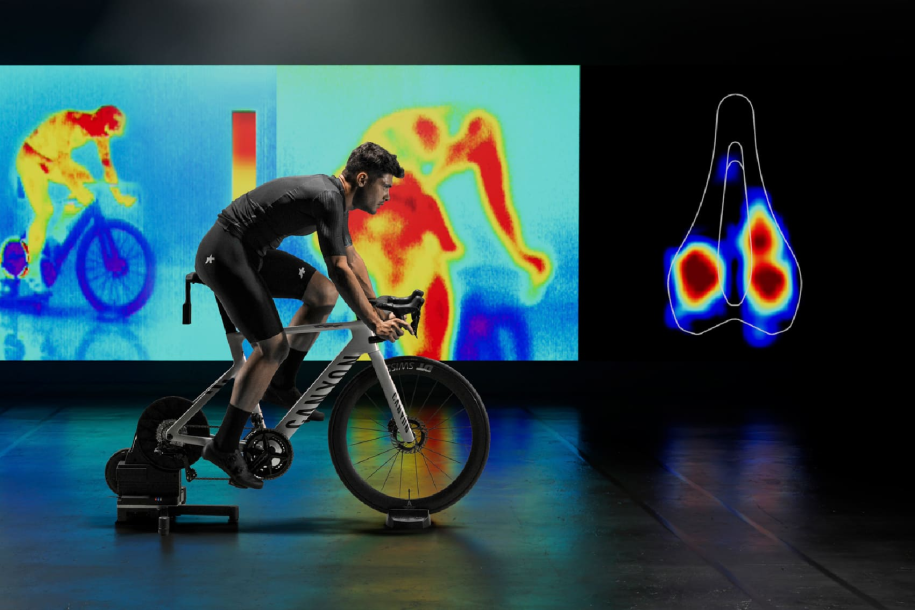
What if a bicycle saddle could be engineered around the individual rider rather than around predefined cushioning zones?
This is the principle behind Selle Italia Unica, a new approach to personalized saddle design that combines pressure mapping, 3D printing and data-driven product development.
Developed by Selle Italia, Unica takes the concept of the 3D-printed saddle a step further: instead of relying on a standard internal cushioning pattern, each saddle is engineered according to the rider’s individual pressure distribution, measured through the idmatch pressure mapping analysis.
For the manufacturing of the 3D-printed padding, Selle Italia worked with Prototek as a technology and manufacturing partner.
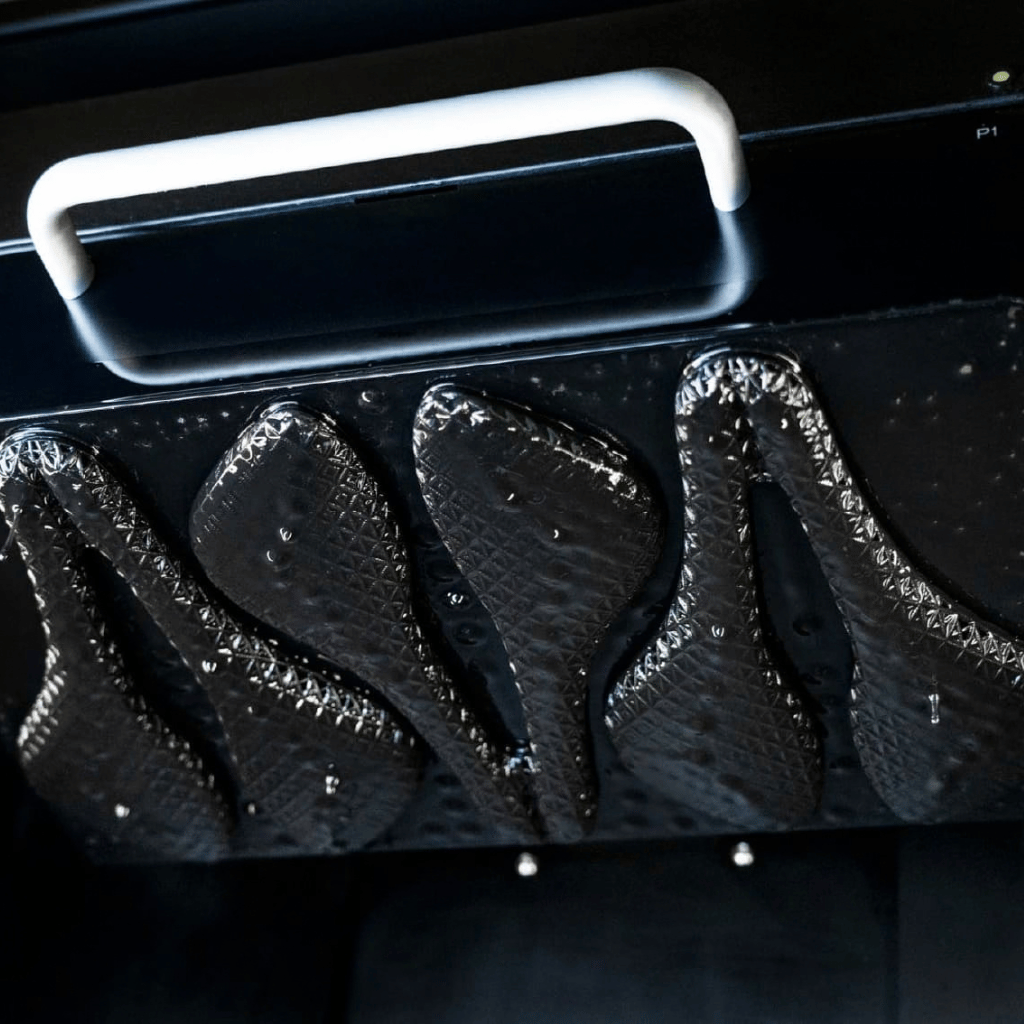
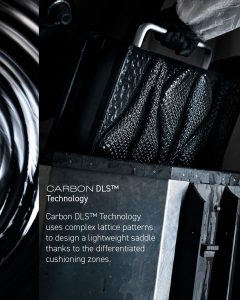
Prototek collaborated with Selle Italia’s Design and Product Development team on the internal lattice geometry and manufactures the pad using Carbon DLS™ technology and EPU 46 elastomer.
The result is a product in which data, product design and additive manufacturing converge around one objective: personalized performance.
From pressure data to a personalized saddle
Traditional saddle design starts with a defined geometry and a predefined cushioning architecture.
Selle Italia Unica changes the logic.
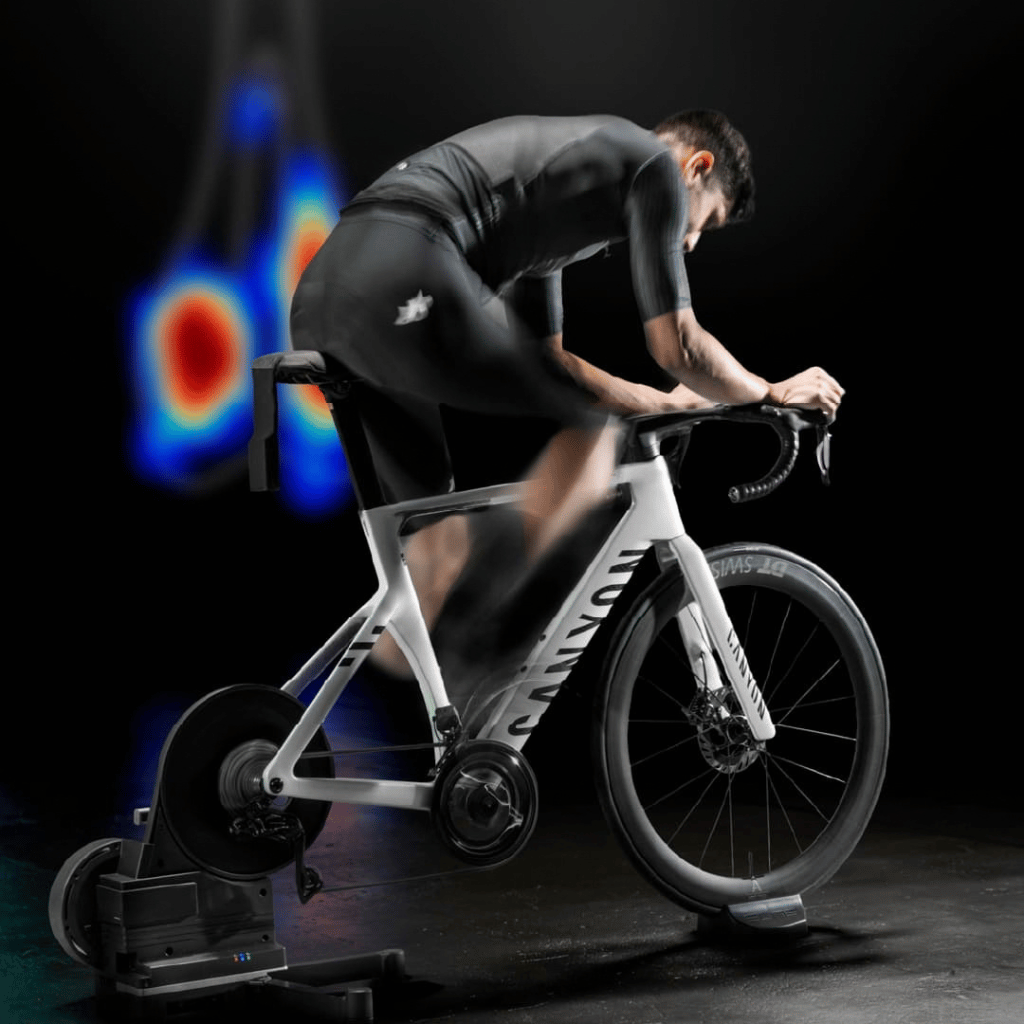
The process begins with an idmatch pressure mapping analysis performed at an authorized Unica centre.
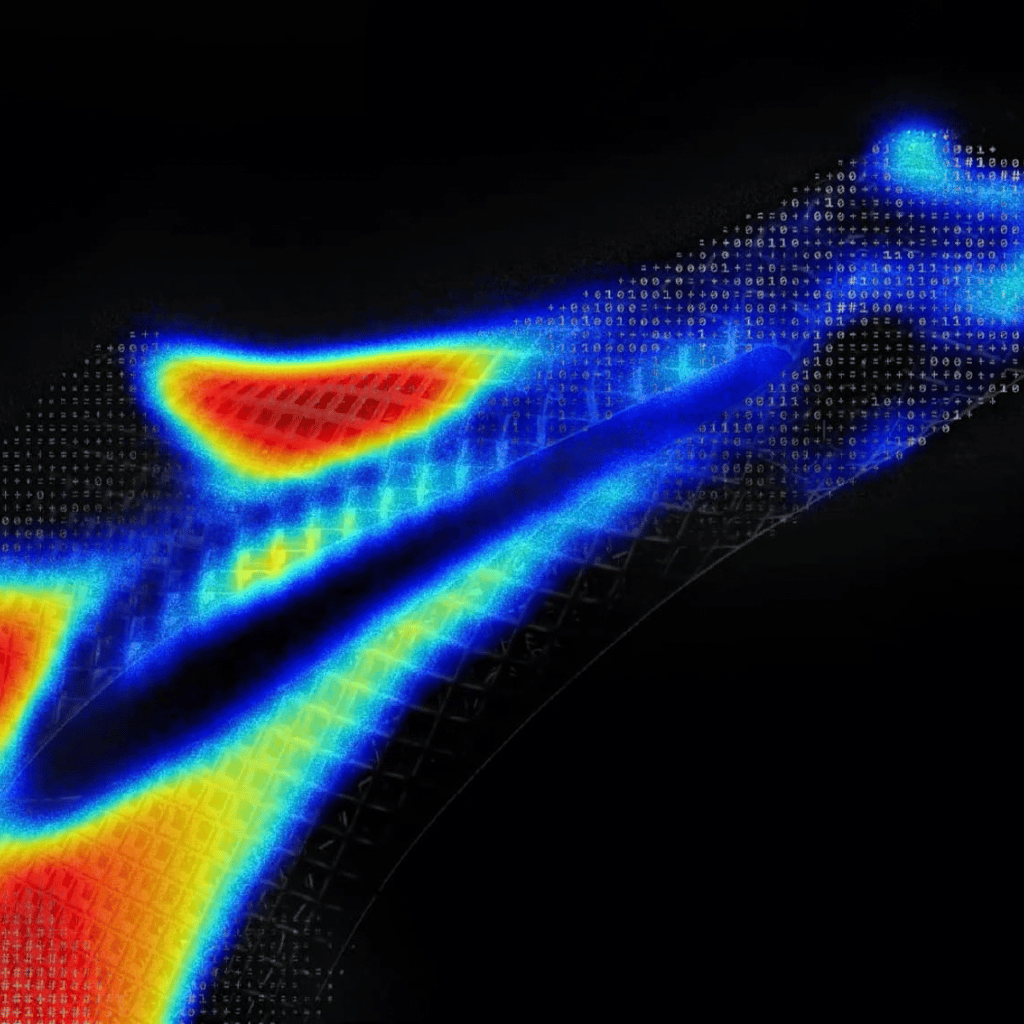
The analysis identifies the rider’s individual pressure distribution on the saddle. These data then become an input for defining the internal 3D cushioning structure.
This means that two riders using the same saddle shape can have different internal cushioning structures, because the lattice is engineered around their individual pressure distribution.
The external shape of the selected Selle Italia saddle remains unchanged. What changes is the internal 3D cushioning structure, specifically designed around the rider’s data.
This distinction is central to the Unica concept: it is not simply a matter of adding a 3D-printed component to an existing saddle, but of making the additive structure part of a data-driven product customization process.
The role of Additive Manufacturing for Selle Italia Unica
Personalized products require a manufacturing technology capable of translating individual digital data into physical geometries without creating a new mould for every configuration. This is where additive manufacturing becomes particularly relevant.
For Unica, the internal cushioning structure is produced through Carbon DLS™, using EPU 46, a high-performance elastomer developed for demanding applications requiring elasticity, durability and controlled material properties. EPU 46 offers tunable material stiffness and is specifically positioned by Carbon for applications including cushioning and saddle components — with high elongation, tear resistance and energy return.
Material alone, however, is not the solution. The performance of a 3D-printed elastomeric component also depends on the geometry of the lattice: cell architecture, density, dimensions and the way the structure changes across different areas.
This is where product engineering becomes essential.
Prototek and Selle Italia: engineering the internal structure
Prototek’s role in the Selle Italia Unica project is that of a technology and manufacturing partner.
Working alongside Selle Italia’s Design and Product Development team, Prototek contributed to the development of the internal lattice geometry and translated the resulting digital design into a production component.
The 3D-printed pad is manufactured using Carbon DLS™ and EPU 46 elastomer.
This workflow connects three levels of expertise: Selle Italia’s product vision and saddle expertise, data from the idmatch pressure mapping process, and Prototek’s additive manufacturing and production expertise.
The digital definition of the product can change from rider to rider while the manufacturing technology remains consistent.
One of the key advantages of additive manufacturing for personalized products.
Why EPU 46 for a 3D-printed saddle?
EPU 46 is an elastomer designed for applications where elasticity, durability and energy return are important, with tunable stiffness, high elongation and tear resistance, and designed for production on Carbon’s DLS platform.
For saddle applications, the combination of material properties and lattice design is particularly relevant.
A 3D-printed elastomeric pad can be engineered not simply as a homogeneous layer of cushioning, but as a structured component whose mechanical response depends on its internal architecture.
This enables a much higher level of geometric control than would be possible with a conventional uniform padding approach — and it supports the central idea of Unica: different riders can require different internal support structures even when the external saddle shape remains the same.
From data to a finished saddle
The process behind Selle Italia Unica can be summarised as:
- pressure data → digital design → 3D printing → saddle fitting, rather than the conventional design → print → ride.
- After the pressure mapping analysis, the saddle is ordered through the authorized Unica centre, while the manufacturing process can be followed through the my.idmatch web app.
- Once produced, the saddle is delivered to the centre for positioning and fitting.
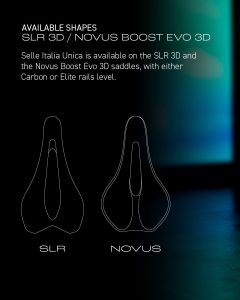
Selle Italia currently offers Unica on the SLR 3D and Novus Boost Evo 3D saddle models, with Carbon or Elite rail options.
This is one of the areas where industrial additive manufacturing moves beyond prototyping: the challenge is not simply printing a complex geometry, but establishing a repeatable workflow connecting data, engineering, material selection, production and quality control.
For Prototek, that is precisely the role of an industrial additive manufacturing partner: working with the product development team to turn a technical concept into a manufacturable component, one saddle at a time.
Frequently Asked Questions
What is Selle Italia Unica?
Selle Italia Unica is a personalized saddle concept in which the internal 3D cushioning structure is engineered using pressure mapping data collected through the idmatch system.
How does a Selle Italia Unica saddle become personalized?
The process starts with an idmatch pressure mapping analysis at an authorized Unica centre. The resulting pressure data are used to define the rider-specific internal cushioning structure.
Is the shape of the Unica saddle customized?
No. The selected Selle Italia saddle shape remains unchanged. The personalization concerns the internal 3D cushioning structure.
What material is used for the 3D-printed pad?
The 3D-printed pad is manufactured by Prototek using Carbon DLS™ technology and EPU 46 elastomer, a high-performance elastomer developed by Carbon for applications requiring controlled stiffness, elasticity and durability.
What is the role of Prototek in Selle Italia Unica?
Prototek acts as a technology and manufacturing partner. Its team worked alongside Selle Italia’s Design and Product Development team on the internal lattice geometry and manufactures the 3D-printed pad using Carbon DLS™ and EPU 46.
Which Selle Italia saddles are available with Unica?
According to Selle Italia, Unica is currently available for the SLR 3D and Novus Boost Evo 3D, with Carbon or Elite rail options.
How long does it take to receive a Unica saddle?
Selle Italia states that the Unica saddle is delivered within approximately three weeks after the pressure mapping analysis, with the production process trackable through the my.idmatch web app.
Prototek is an HP Multi Jet Fusion and Carbon DLS™ service bureau based in Valenza (AL), Italy, and an ISO 9001 / ISO 27001 certified additive manufacturing partner for technical and industrial applications.