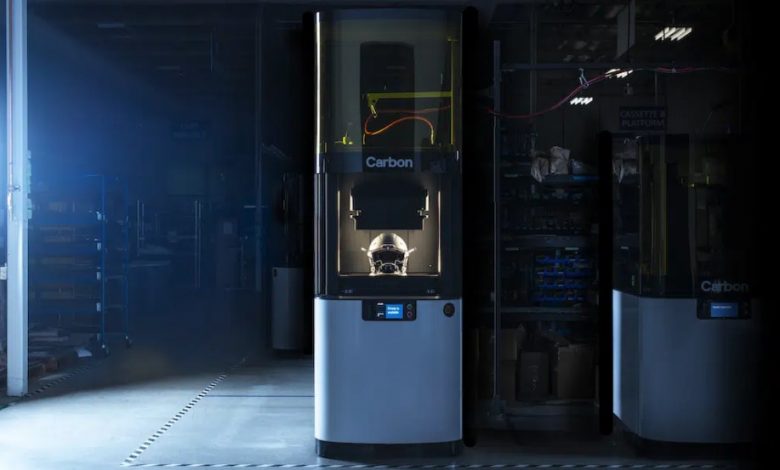
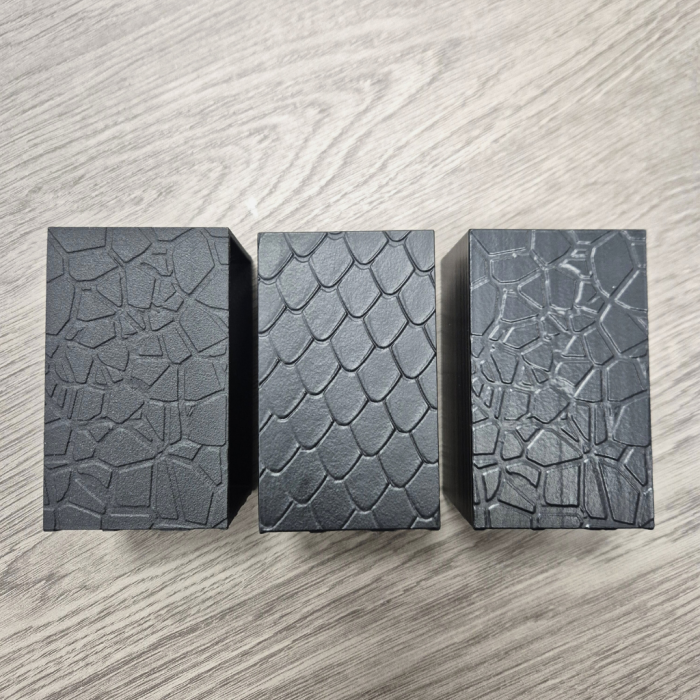
Prototek expands its professional 3D printing capabilities with the launch of Vapor Smoothing, an advanced chemical post-processing solution designed for parts produced in Nylon PA12 using HP Multi Jet Fusion (MJF) technology.
This new finishing process delivers exceptionally smooth, sealed, and end-use-ready surfaces, elevating both the functional and aesthetic quality of 3D printed components.
By integrating Vapor Smoothing into its industrial workflow, Prototek strengthens its position as a leading European provider of high-performance additive manufacturing solutions.
What Vapor Smoothing is and Why it represents a major step forward in 3D post-processing
Vapor smoothing is a controlled chemical finishing process designed to smooth and seal the surfaces of polymer parts produced through additive manufacturing.
Traditional 3D printed components naturally exhibit surface roughness due to the layer-by-layer construction typical of powder-based technologies like HP MJF.
Through exposure to carefully regulated chemical vapors, the external surface of the PA12 component partially melts and reflows. The result is a uniform, glossy, and visually refined finish that significantly reduces porosity while maintaining the mechanical integrity of the part.
This transformation delivers several key advantages:
Elimination of surface roughness
Sealing of porous structures
Improved visual quality
Enhanced resistance to liquids and contaminants
Superior cleanability and hygiene
These benefits make vapor smoothing a powerful solution for industries that require parts with high aesthetic and functional standards, including automotive, medical, industrial, consumer goods, and robotics.
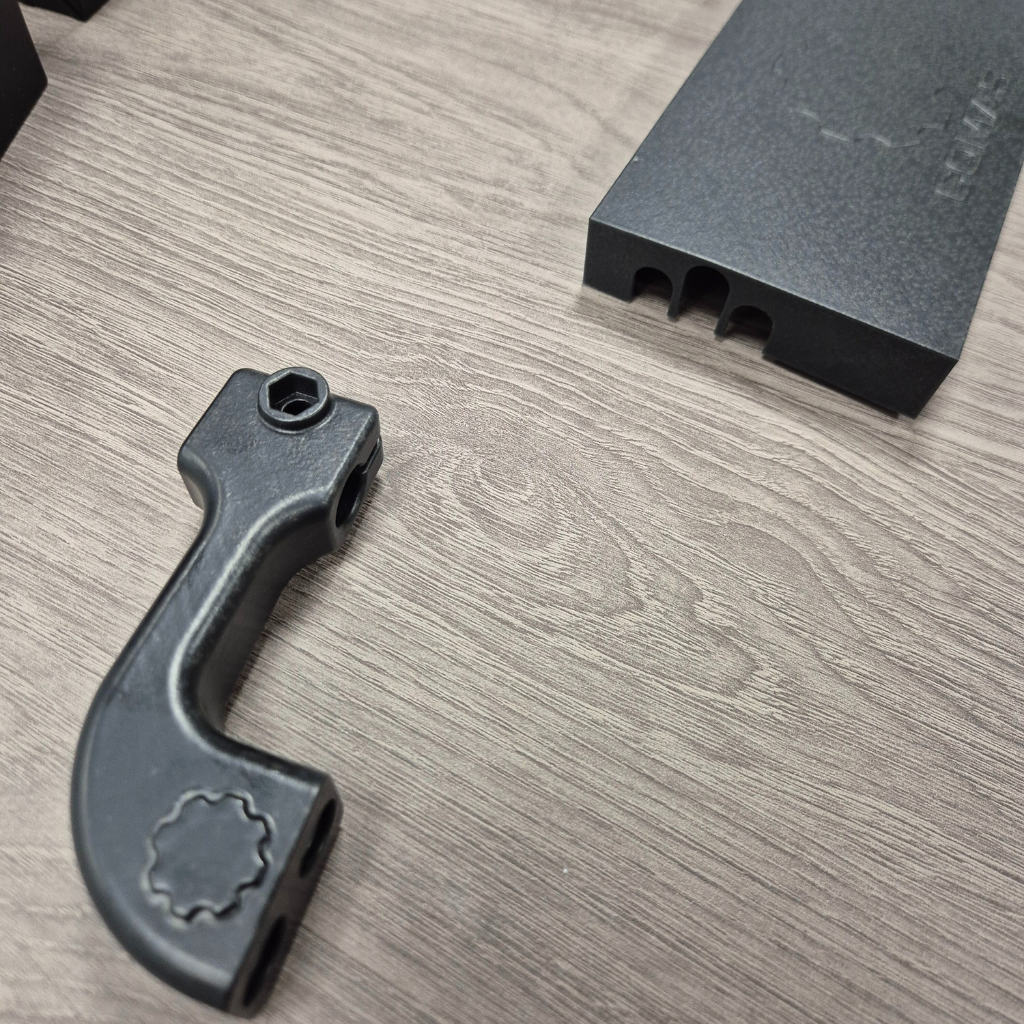
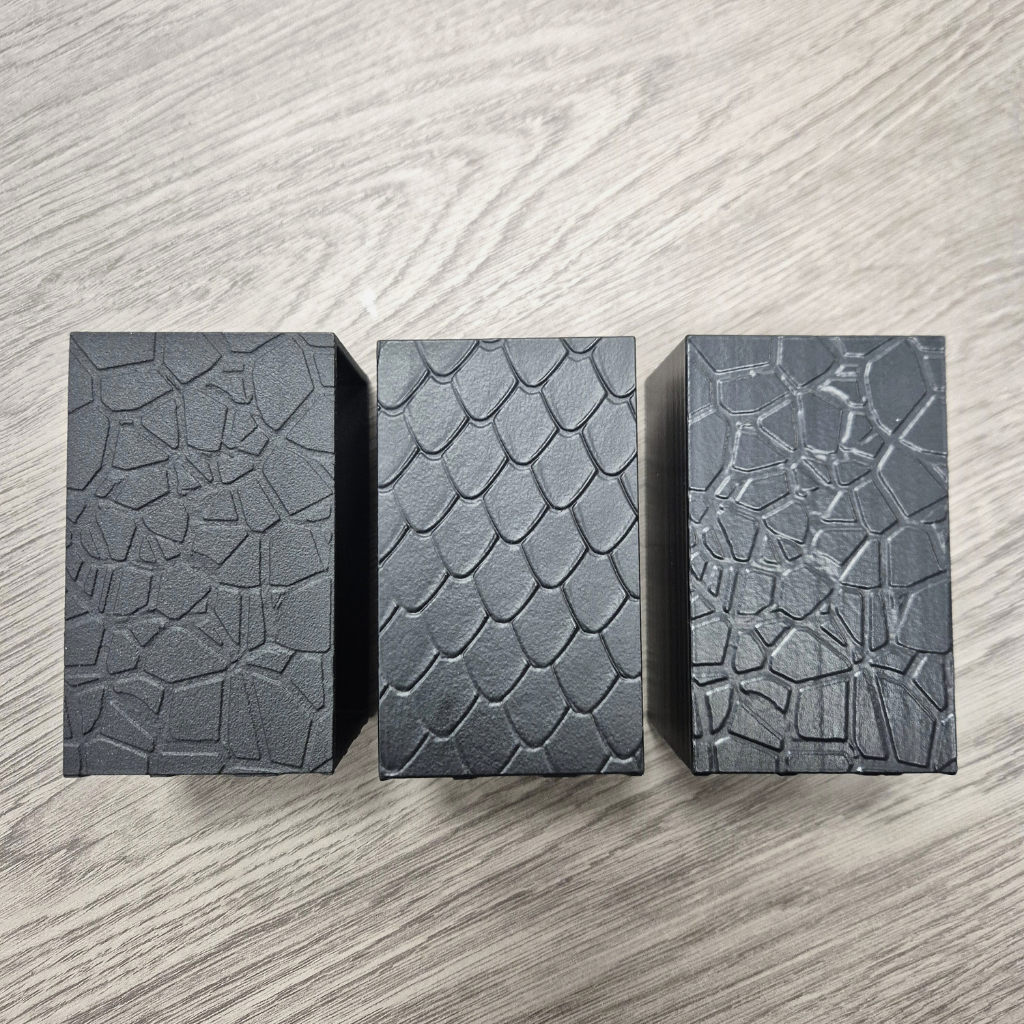
Three finishing levels: Soft, Medium, and Max
To offer maximum flexibility, Prototek provides three calibrated Vapor Smoothing finishing levels, each designed to support different project requirements and material performance targets.
- Soft: a light smoothing treatment suitable for functional components or prototypes where dimensional precision must be preserved and minimal roughness reduction is required.
- Medium: a balanced finish offering the ideal combination of visual improvement and mechanical accuracy. This level is recommended for visible parts, assemblies, housings, and ergonomic components.
- Max: the highest level of vapor smoothing, delivering a near injection-molded appearance with glossy, sealed surfaces and a high-end aesthetic. Perfect for end-use consumer products, premium prototypes, and parts ready for direct sale.
These three options enable Prototek to support companies across diverse sectors, ensuring components not only perform well but also meet demanding aesthetic expectations.
Powered by ASM Technology distributed by Dedem 3D
Prototek’s new vapor smoothing service relies on ASM (Additive Surface Modification) technology, an advanced industrial platform distributed in Italy by Dedem 3D. ASM systems ensure controlled, repeatable, and safe processing, enabling consistent results even on complex geometries that traditional mechanical finishing cannot reach.
The vapor smoothing process maintains the mechanical strength, dimensional stability, and structural performance of HP MJF PA12, ensuring that the material retains its original characteristics while gaining improved surface quality and sealing.
Concrete advantages for Industrial applications
The introduction of vapor smoothing offers measurable benefits for companies integrating additive manufacturing into production workflows:
Enhanced aesthetics: smooth, uniform, professional-grade surfaces
Surface sealing: ideal for humid environments or contact with fluids
Improved mechanical strength: reduced stress points and micro-cracks
Superior hygiene and cleanability: essential for medical and food-related sectors
Increased durability: better resistance to wear, chemicals, and abrasion
These advantages make vapor smoothing a valuable finishing step for transitioning from prototype to final product manufacturing.
Industrial Partners already testing the technology
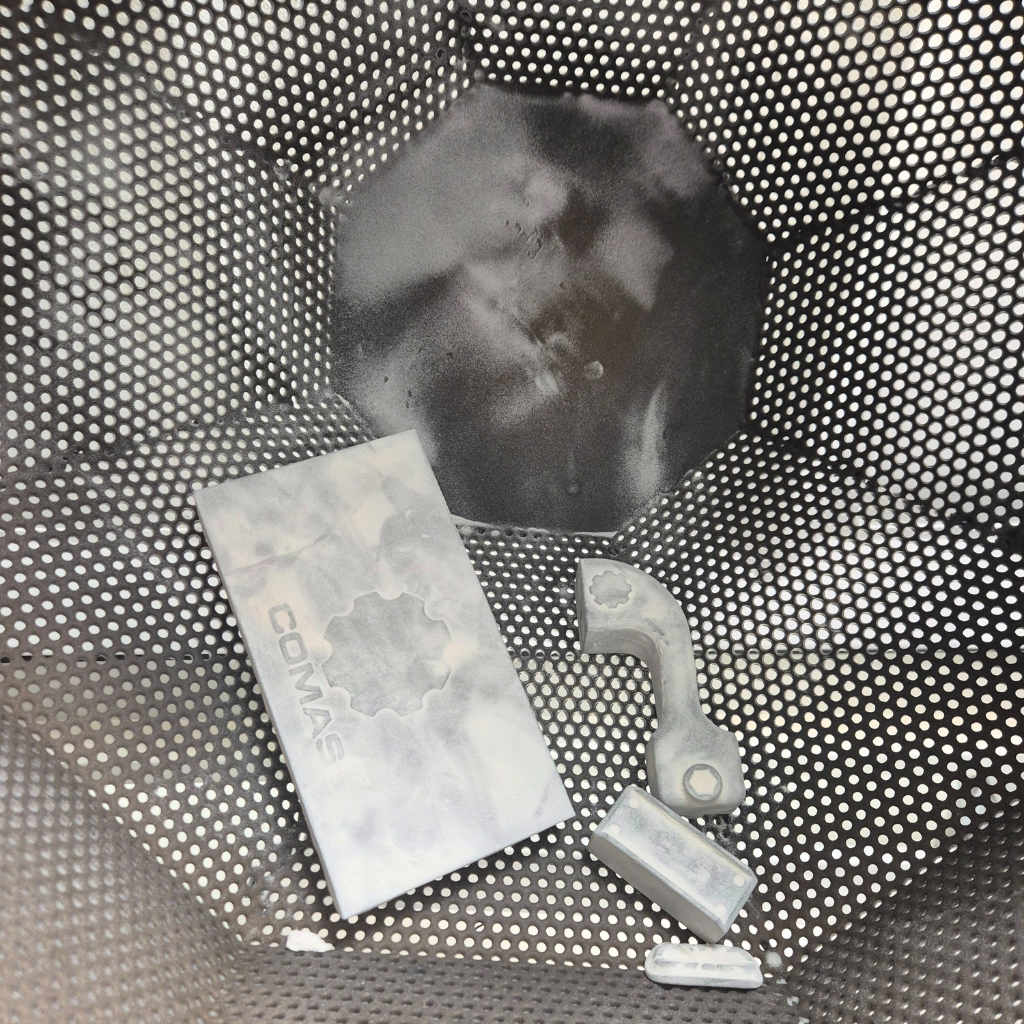
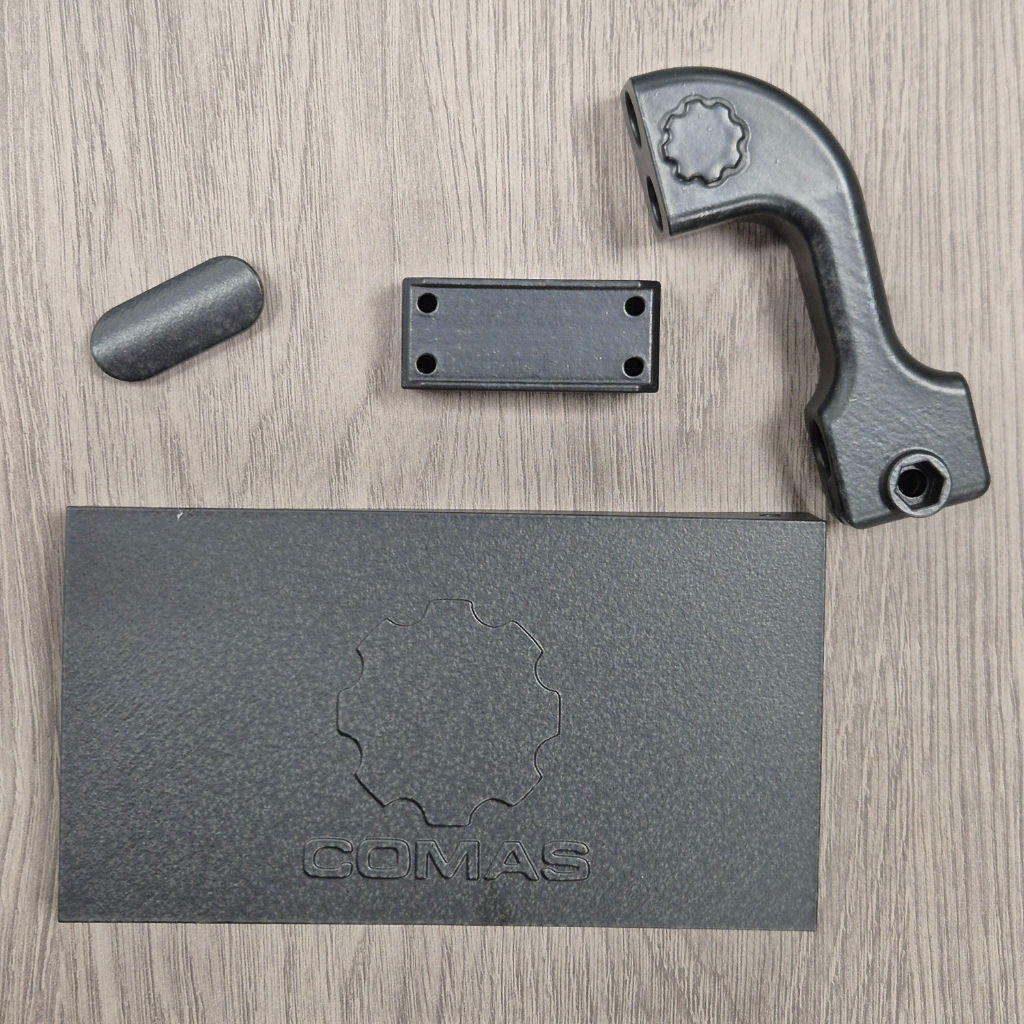
Among the first companies to successfully test the new vapor smoothing service are COMAS – OMNIA Technologies and other strategic partners.
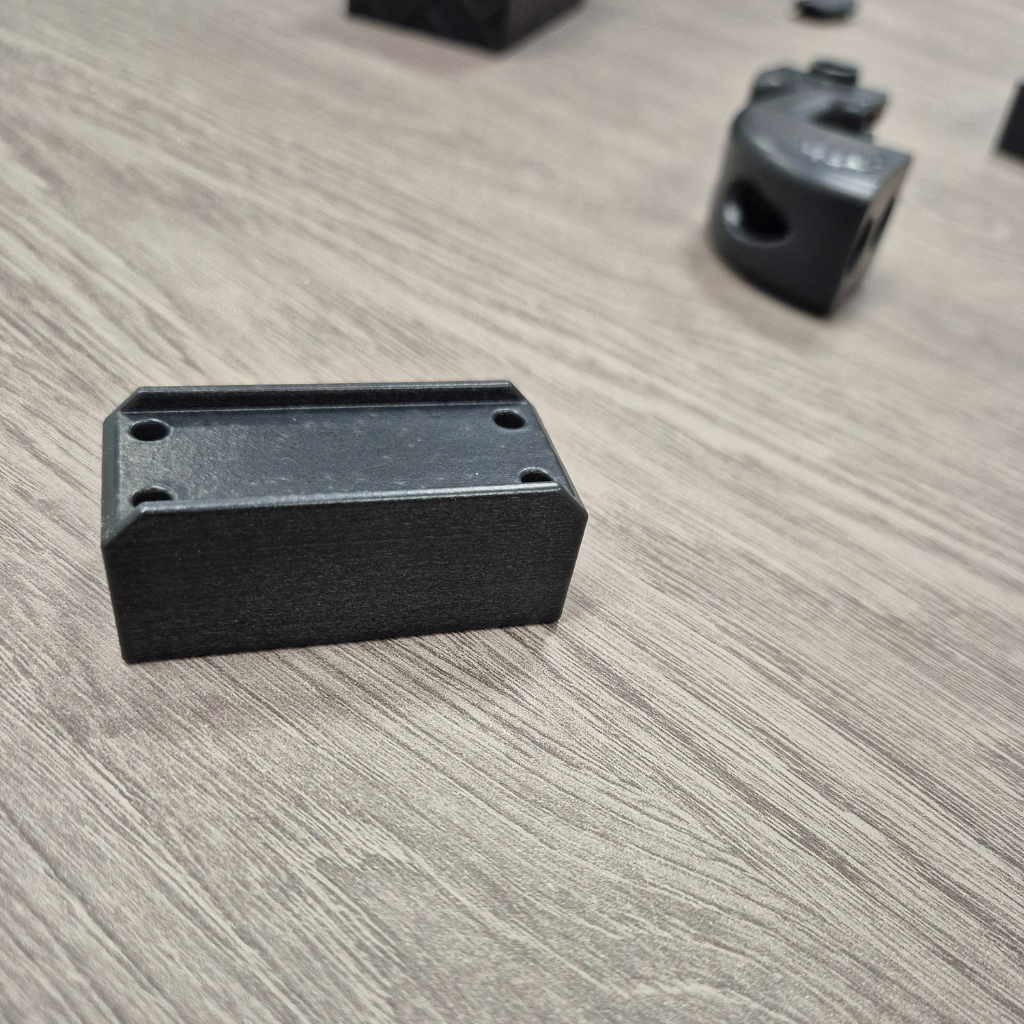
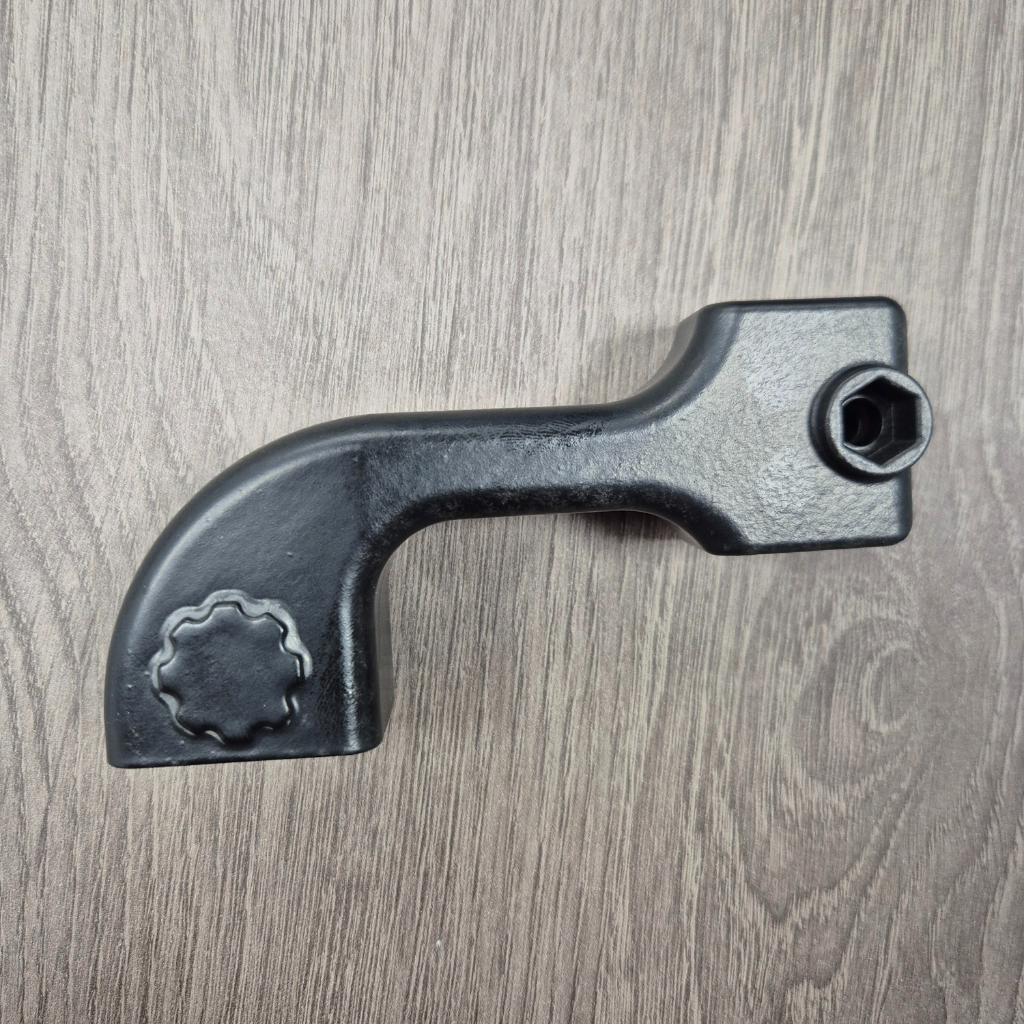
Tests performed on functional assemblies demonstrated significant improvements in dimensional precision, surface quality, and mechanical performance.
The results confirm that vapor smoothing is a key technology for organizations seeking reliable, industrial-grade post-processing that supports true additive production, not just prototyping.
A ready-to-use finishing service for professional 3D printing
With vapor smoothing now available, Prototek reinforces its complete production workflow, from design to printing to high-quality finishing. The service is already operational and accessible for all customers working with PA12 and compatiblethermoplastics.
This represents a solid step toward a future where 3D printed parts are final products, not just prototypes: visually refined, functionally superior, and ready for immediate use.
How Vapor Smoothing enhances your 3D printed projects
Vapor smoothing is more than an aesthetic upgrade; it is a functional enhancement for HP Multi Jet Fusion parts. Sealed surfaces, improved durability, and uniform finishing make components more robust, resistant, and suitable for demanding end-use applications.
Whether you need functional prototypes, limited-edition products, or full industrial production, Prototek’s chemical finishing ensures consistency, repeatability, and fast lead times.
Request a Technical Consultation
Want to understand how vapor smoothing can elevate your PA12 components?
Prototek’s technical team is ready to analyze your project and recommend the most appropriate finishing level—Soft, Medium, or Max—based on your industry, application, and performance requirements.