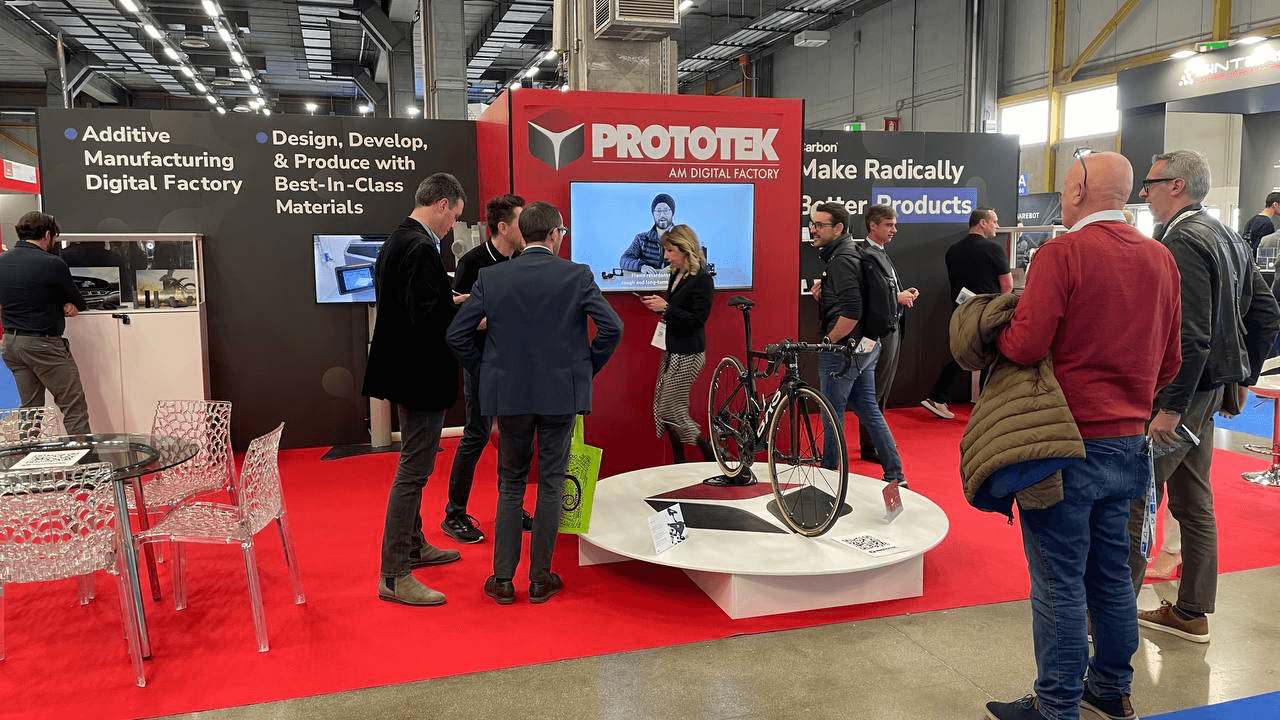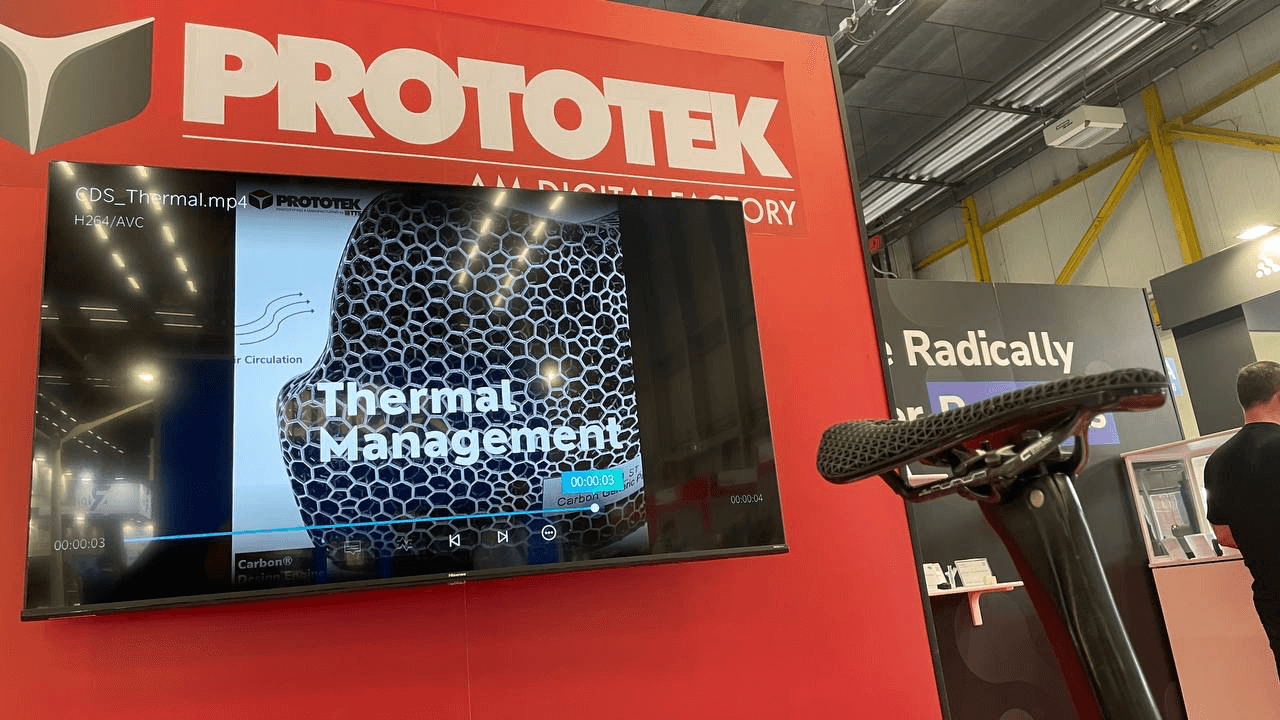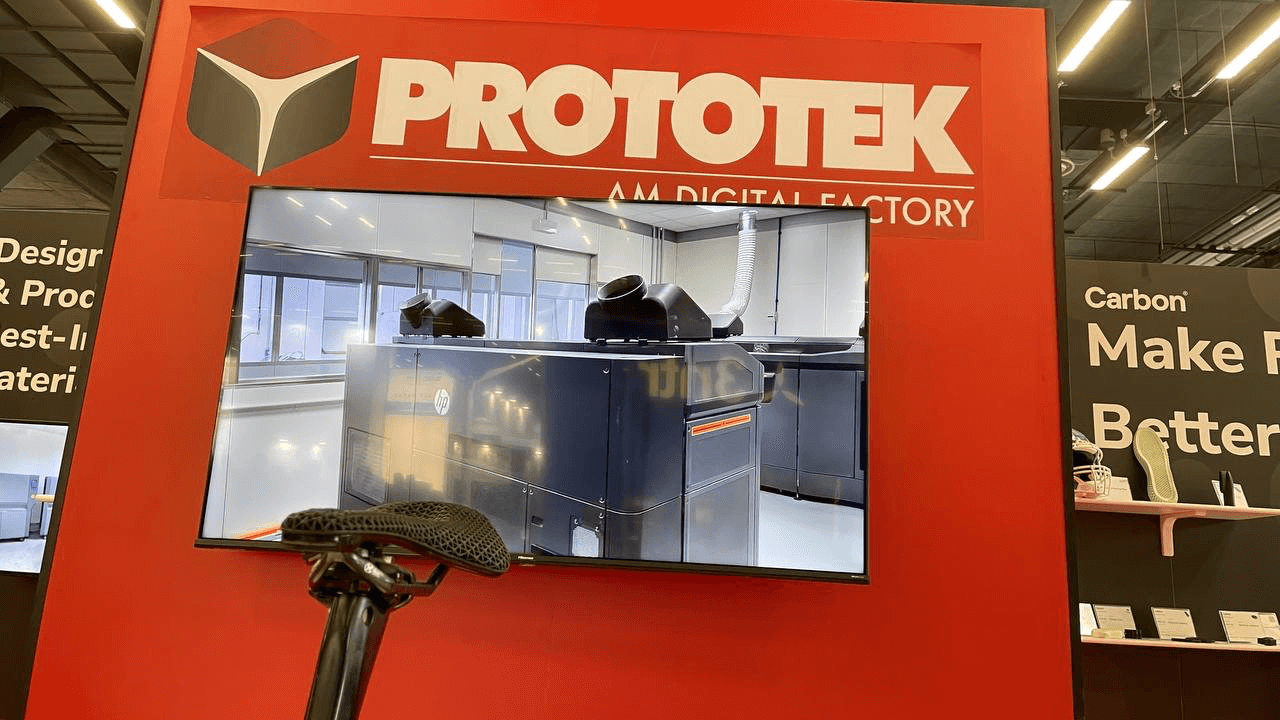
3D printing in manufacturing industry has shifted from prototyping support to a strategic production technology. Today, industrial additive manufacturing enables companies to eliminate molds, reduce tooling investments, accelerate time to market, and manufacture complex geometries that traditional methods cannot achieve.
For European manufacturers facing rising tooling costs, supply chain volatility, and demand for customization, industrial 3D printing provides a scalable and economically viable alternative.
From Prototyping Rapid to End-Use Production
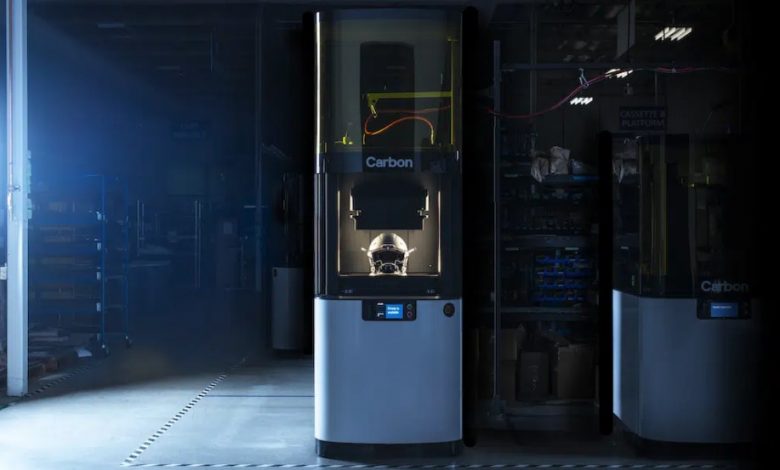
Historically, additive manufacturing was limited to concept validation. Modern technologies such as HP Multi Jet Fusion (MJF) and Carbon DLS™ (Digital Light Synthesis™) have redefined what is possible in 3D printing in manufacturing industry.
These systems produce functional, repeatable, high-performance polymer components suitable for:
Low-to-mid volume production
Functional end-use parts
Bridge manufacturing
Spare parts and on-demand production
Custom industrial components.
Unlike conventional injection molding, additive manufacturing does not require tooling. This eliminates upfront mold investment and drastically reduces project risk.
Eliminating Traditional Tooling
One of the primary drivers behind the adoption of industrial 3D printing is the elimination of molds and tooling.
In injection molding, tooling costs can range from €10,000 to €100,000+, with lead times of 6–12 weeks before the first part is produced. For small or medium production runs, tooling often makes projects economically unfeasible.
With 3D printing in manufacturing industry, production can begin immediately from a validated CAD file. The advantages include:
Zero mold costs
Shorter development cycles
Rapid design iterations
Reduced financial exposure
This is particularly valuable for startups, OEM suppliers, and companies launching new products in uncertain markets, as well as for scaling production in companies.
Geometries Impossible with Traditional Methods
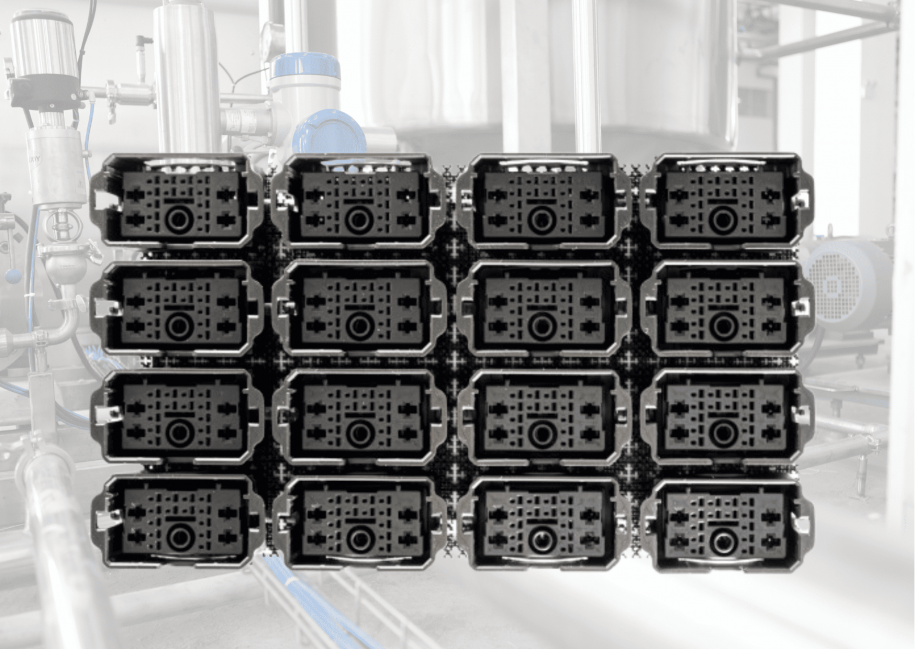
Additive manufacturing enables complex internal channels, lattice structures, lightweight geometries, and consolidated assemblies.
Traditional molding and machining impose geometric constraints due to tool access, draft angles, and assembly limitations. By contrast, industrial additive manufacturing builds components layer by layer, allowing:
Topology-optimized structures
Internal cooling channels
Part consolidation (reducing multiple components into one)
Lightweight yet mechanically strong parts
For sectors such as automotive, industrial automation, footwear and sporting goods, this translates into performance gains and part count reduction.
HP Multi Jet Fusion: Production-Grade Polymer Manufacturing
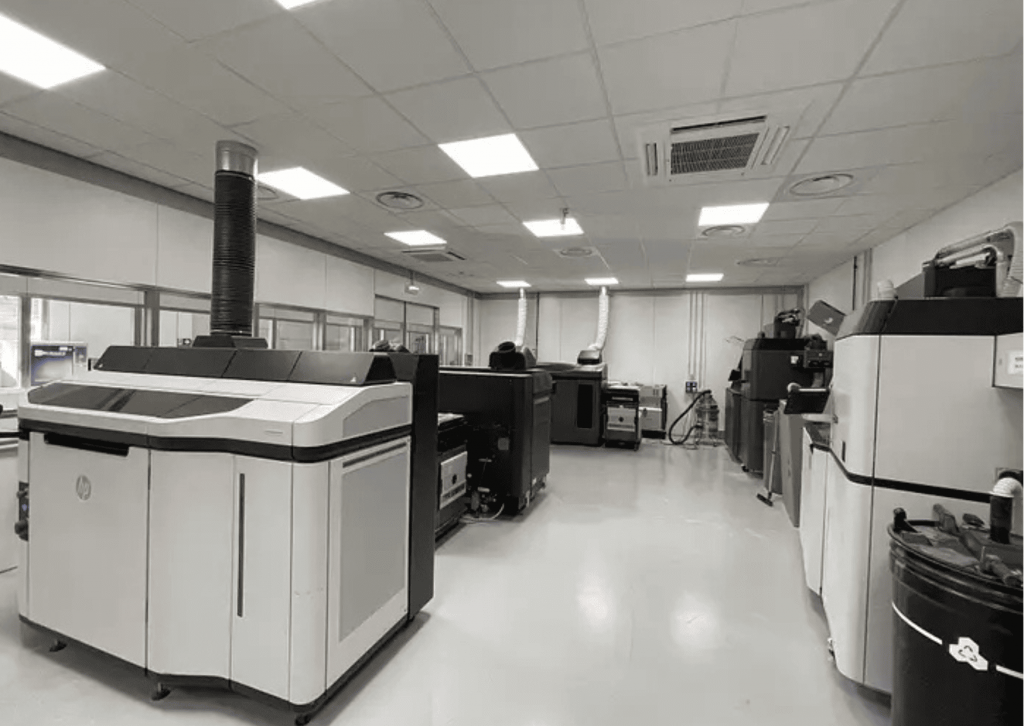
HP Multi Jet Fusion (MJF) is widely recognized for its productivity and dimensional consistency.
It is ideal for:
Functional thermoplastic components (nylon PA12 and TPU)
Snap-fit assemblies
Housings and enclosures
Mechanical brackets
Custom tooling aids
MJF offers isotropic mechanical properties and repeatable surface quality, making it suitable for low-volume production 3D printing.
For manufacturers evaluating 3D printing vs injection molding, MJF becomes economically advantageous in small-to-medium batch sizes, particularly when product variations or frequent design updates are expected.
Carbon DLS™: Engineering-Grade Performance
Carbon DLS™ (Digital Light Synthesis™) enables high-resolution parts with exceptional surface finish and elastomeric or rigid materials.
Carbon’s programmable photopolymer resins allow production of:
Elastomeric seals and gaskets
Impact-resistant housings
Complex lattice cushioning systems
High-detail consumer-facing components.
The technology supports serial production with mechanical performance comparable to traditionally molded parts.
Prototypes That Behave Like Final Products
A major limitation of traditional prototyping is the gap between prototype material and final production material. With 3D printing in manufacturing industry, prototypes can be manufactured using the same materials and processes as end-use parts.
This ensures:
Accurate functional validation
Real mechanical performance testing
Faster certification processes
Reduced risk at production launch.
Manufacturers can move directly from validated prototype to scaled production without re-engineering for tooling.
Accelerating Time to Market
Speed is a competitive advantage. Additive manufacturing significantly accelerates product development cycles.
Compared to conventional manufacturing:
Lead times are reduced from weeks to days
Iterations can be implemented immediately
Bridge production fills the gap before tooling
For European manufacturers facing dynamic markets, this translates into earlier revenue generation and stronger competitive positioning.
Cost Efficiency in Low-to-Mid Volume Production
One of the strongest economic advantages of 3D printing in manufacturing industry is its efficiency across variable production volumes — from 1 to thousands of parts, with the ability to scale according to demand.
Traditional manufacturing methods such as injection molding require high upfront tooling investments that are only justified at very large volumes. If demand fluctuates, or if product lifecycles are short, tooling amortization becomes a financial risk.
With industrial 3D printing, cost structure is fundamentally different:
No mold investment
No minimum order quantities
Production economically viable from a single unit to several thousand parts
Linear cost scaling without tooling break-even constraints
This makes additive manufacturing particularly suitable for:
Pilot production runs
Market validation batches
Customized product variants
Spare parts production
Bridge manufacturing before full-scale tooling
Scalability Without Re-Engineering
Technologies such as HP Multi Jet Fusion and Carbon DLS™ are designed for scalable additive manufacturing. Production capacity can increase simply by adjusting build volume utilization or adding parallel production systems, without redesigning the part for tooling.
This enables:
Gradual production ramp-up
Reduced inventory exposure
Demand-driven manufacturing
Faster response to market changes.
For European manufacturers operating in dynamic or niche markets, this scalability ensures operational flexibility while maintaining predictable cost structures.
In practical terms, 3D printing in manufacturing industry supports a seamless transition from prototype (1 unit) to small batch production (i.e. 100–500 parts) and further to serial production in the thousands (i.e. 1000-5000-10000); all without the financial and time burden of traditional tooling.
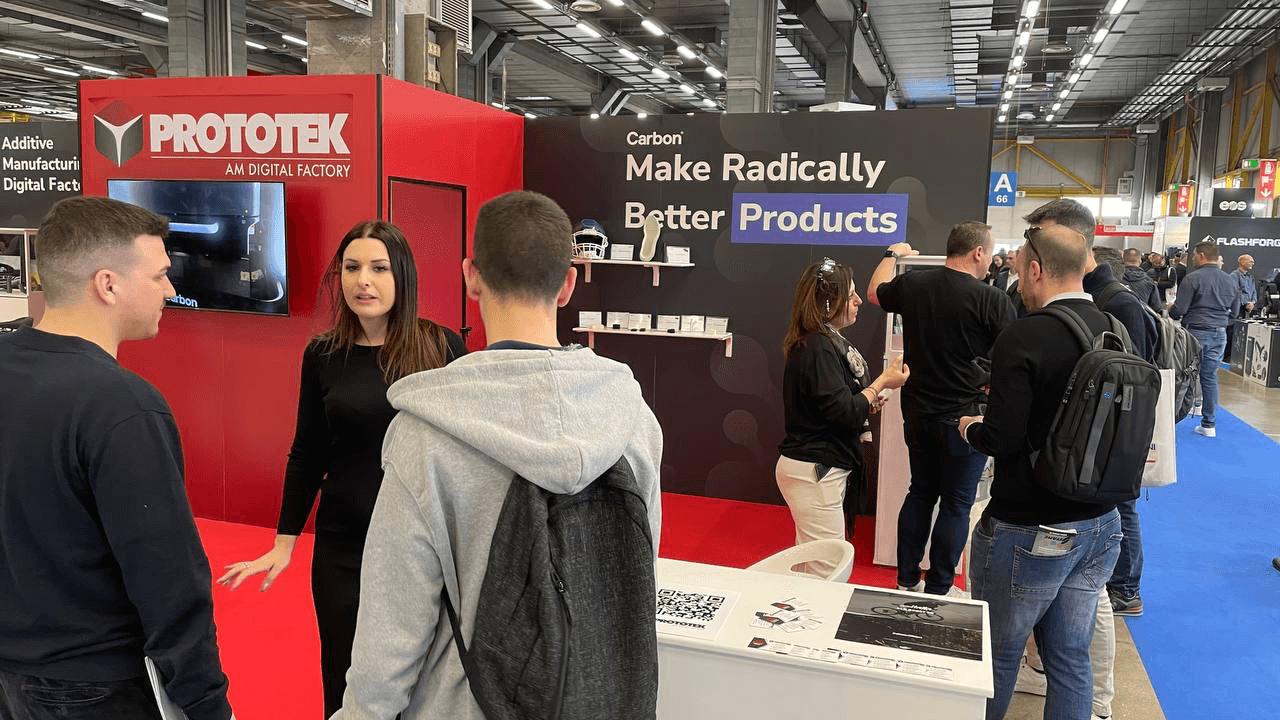
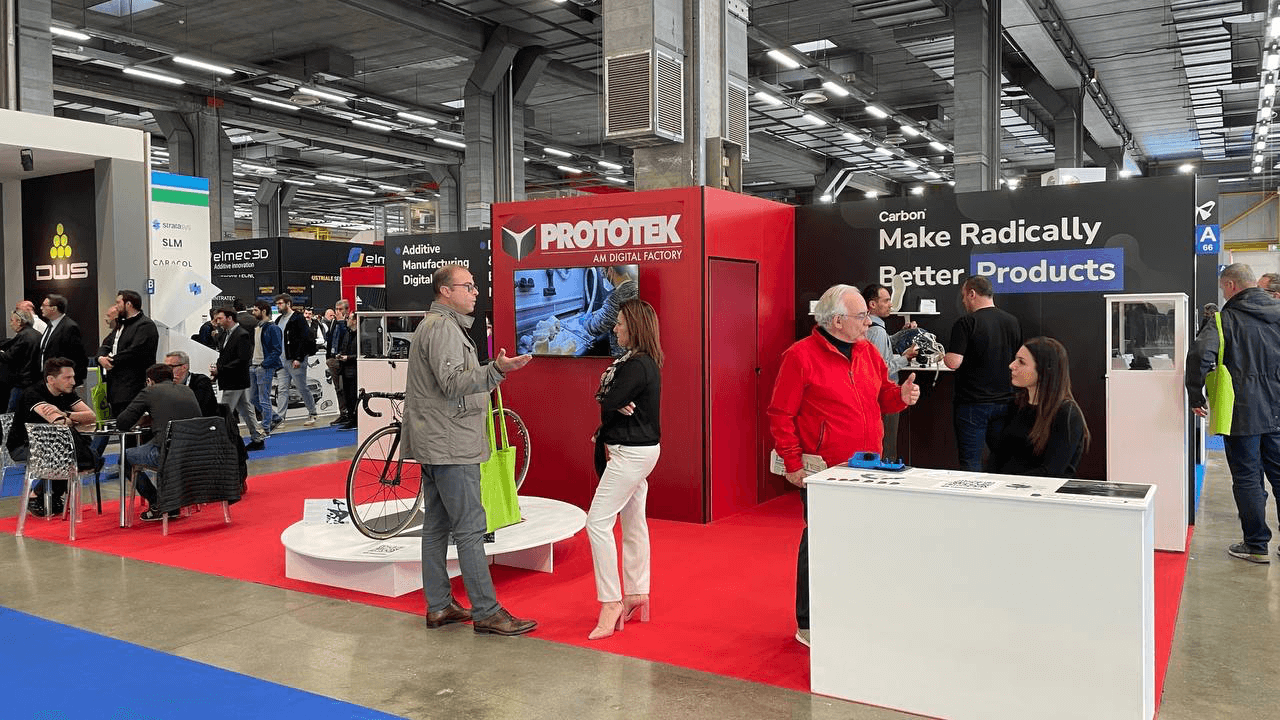
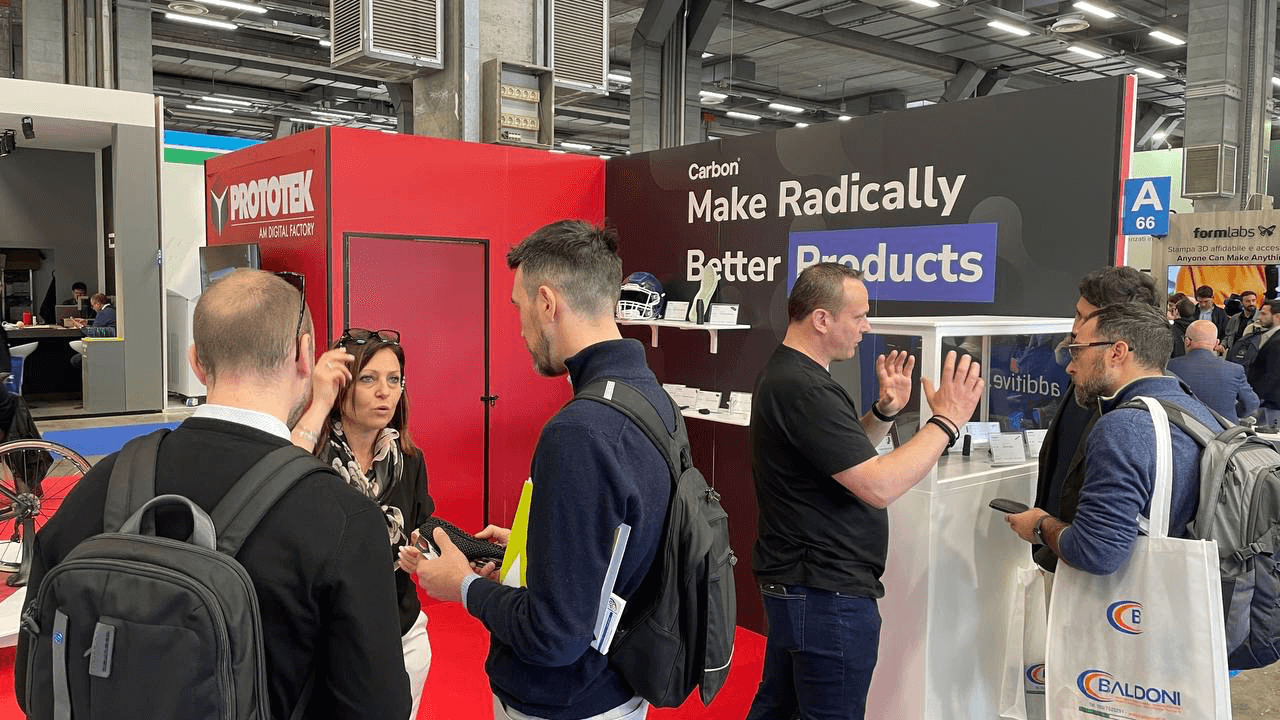
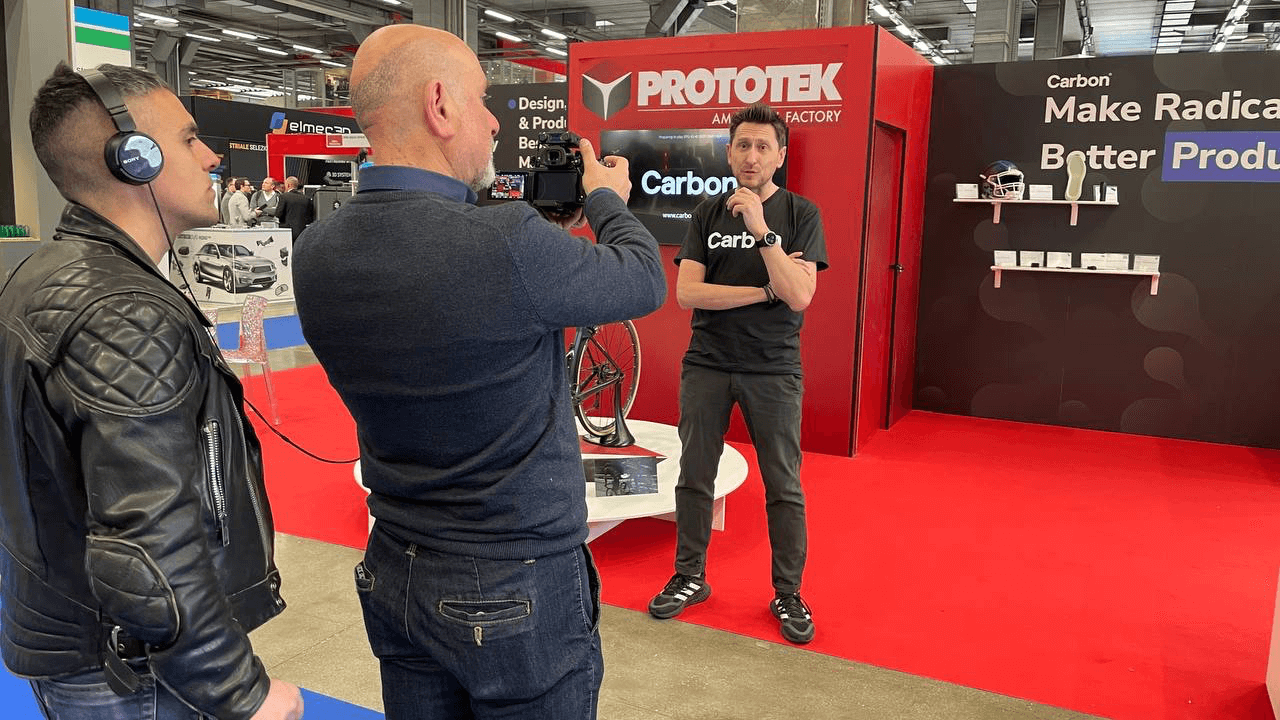
Prototek: Industrial 3D Printing Services in Europe
For companies seeking an experienced manufacturing partner, Prototek (Valenza, Piedmont – Italy) provides advanced additive manufacturing services tailored to industrial applications.
Prototek integrates:
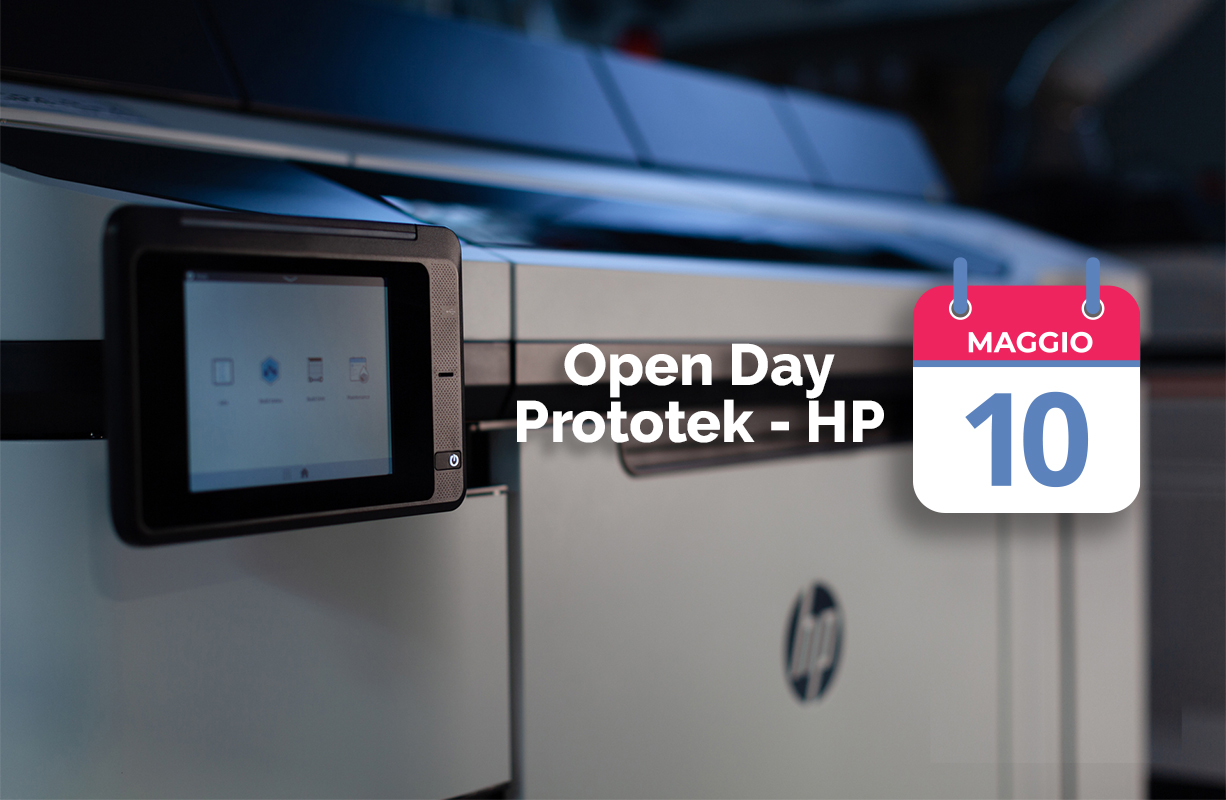
HP Multi Jet Fusion for production-grade polymer parts, with a continuous, high-capacity lab ensuring ongoing production
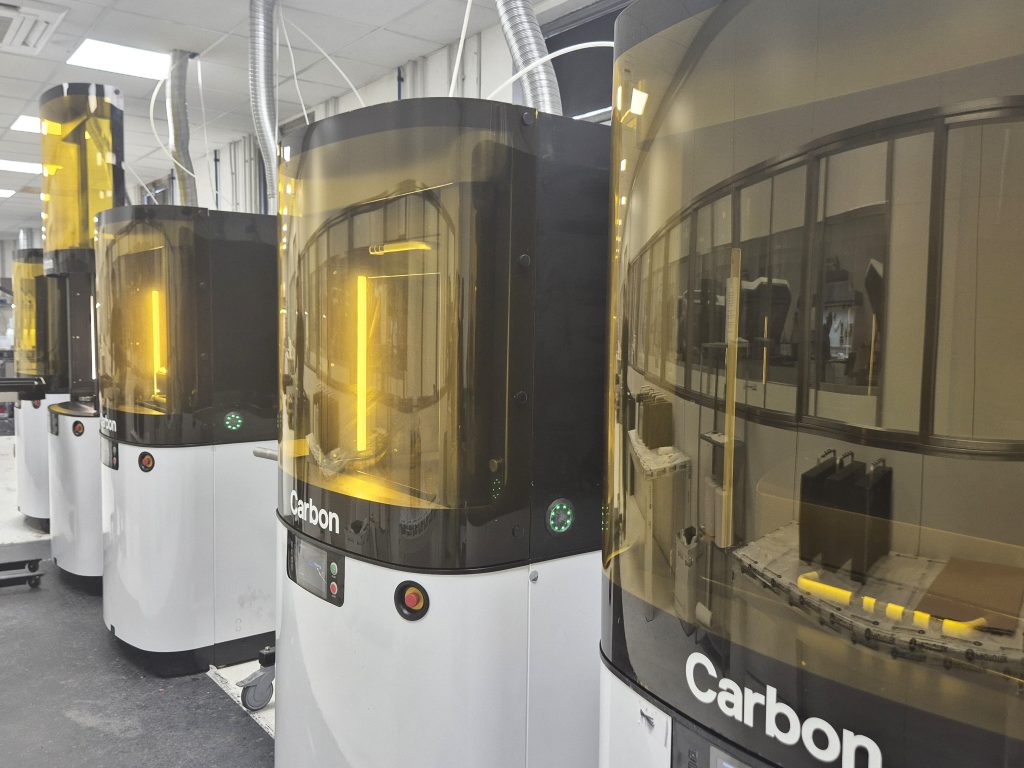
Carbon DLS™ technology for high-performance applications, with 7 Carbon printers operating 24/7, 5 days a week
Engineering support for design optimization
Small and medium batch production.
This combination enables clients to transition from prototype to serial production efficiently, without investing in internal equipment or specialized additive manufacturing expertise.
The ever-growing production capacity at Prototek ensures scalability for both low-volume prototypes and larger production runs, maintaining consistent quality and reducing lead times.
For manufacturers unfamiliar with HP MJF or Carbon DLS™ technologies, partnering with an additive service provider reduces technological risk, accelerates adoption, and allows immediate access to a fully operational industrial additive manufacturing ecosystem.
Industrial Adoption: Leading Companies Integrating 3D Printing into Production
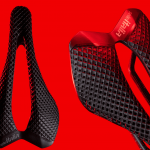
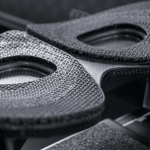
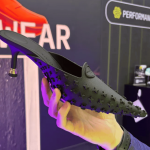

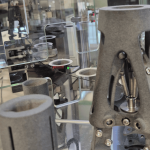
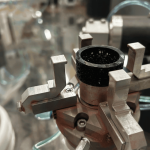
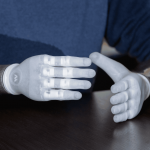
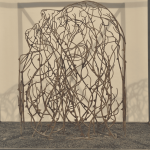
A growing number of sector leaders have chosen to integrate 3D printing in manufacturing industry into their industrial workflows by partnering with Prototek (Valenza, Italy). The objective is not experimentation, but measurable performance improvement across development, production, and supply chain efficiency.
Significant case studies span multiple industries:
Alexander Wang (fashion and footwear – Griphoria Knittel Heels)
Bonzano Art Group (art and design applications)
These companies operate in highly demanding sectors where mechanical performance, durability, weight optimization, and time-to-market are critical competitive factors.
Measurable Industrial Results
By integrating industrial additive manufacturing technologies such as HP Multi Jet Fusion and Carbon DLS™ into their production ecosystems, these organizations achieved:
Accelerated time to market
Functional prototypes behaving like final products
Seamless transition from prototype to serial production
Scalable production volumes (from prototypes to full series)
Reduced tooling dependency
Optimized production costs
Shortened lead times
High mechanical performance and durability of parts.
➤ For example, in cycling and competitive sports applications, lightweight lattice structures and complex geometries improved product ergonomics and performance while maintaining structural integrity.
➤ In automation and machinery sectors, custom functional components were produced without waiting for mold fabrication, significantly reducing project timelines.
➤ In footwear and fashion, additive manufacturing enables achieving clear objectives in aesthetics, design, and performance, allowing manufacturers to deliver maximum customization tailored to individual products or clients.
➤ In medical and prosthetic applications, precision and repeatability were essential to ensure reliability and compliance.
The strategic integration of 3D printing in manufacturing industry allowed these companies to move beyond prototyping and embed additive manufacturing directly into production processes. Rather than replacing conventional manufacturing entirely, additive technologies complemented existing systems, enabling hybrid production models that are more agile and economically resilient.
For manufacturers evaluating industrial 3D printing adoption, these case studies demonstrate that additive manufacturing is not a theoretical innovation but a validated industrial solution delivering quantifiable operational advantages.
When to Choose 3D Printing in Manufacturing Industry
Additive manufacturing is particularly advantageous when:
Production volumes are below tooling break-even
Product customization is required
Complex geometries improve performance
Speed to market is critical
Supply chains require flexibility.
It is not a replacement for all traditional methods, but a complementary production technology that expands manufacturing capabilities.
Conclusion
3D printing in manufacturing industry is no longer limited to prototyping. With scalable technologies such as HP Multi Jet Fusion and Carbon DLS, manufacturers can produce functional, end-use components while eliminating tooling constraints, reducing lead times, and enabling advanced geometries.
For European companies seeking cost-efficient, flexible production strategies, industrial additive manufacturing represents a strategic advantage. By leveraging experienced partners like Prototek, manufacturers can adopt these technologies without capital investment and accelerate innovation with measurable ROI.
As manufacturing continues to digitize, additive manufacturing will play a central role in agile, decentralized, and on-demand production models.
Frequently Asked Questions (FAQs)
Q1: What is industrial 3D printing and how does it differ from traditional manufacturing?
Industrial 3D printing, also known as additive manufacturing, builds components layer by layer from digital models. Unlike injection molding or CNC machining, it eliminates molds and tooling, reduces lead times, and allows complex geometries impossible with traditional methods.
Q2: Can 3D printing produce functional end-use parts?
Yes. Technologies like HP Multi Jet Fusion and Carbon DLS™ enable the production of durable, functional parts suitable for low-to-mid volume manufacturing, prototypes that behave like final products, and even fully customized components.
Q3: What materials are available for industrial additive manufacturing?
Depending on the technology, materials range from engineering-grade thermoplastic polymers (PA12, TPU) to elastomeric and high-performance resins. These materials ensure mechanical strength, chemical resistance, and durability comparable to traditionally molded parts.
Q4: How scalable is 3D printing for manufacturing?
With Prototek’s 7 Carbon printers running 24/7 and a continuous HP Multi Jet Fusion lab, production is scalable from 1 prototype to thousands of parts, allowing manufacturers to ramp up volumes without investing in tooling or internal equipment.
Q5: What industries benefit most from 3D printing in manufacturing?
Additive manufacturing supports a wide range of industries (see Prototek’s case studies): cycling and sports equipment, automotive, medical and prosthetics, fashion and footwear, industrial automation, and art. Benefits include lightweight structures, design flexibility, faster time to market, and maximum customization.
Q6: How does 3D printing reduce time to market and lead times?
By eliminating mold fabrication and enabling rapid iterations directly from CAD files, industrial 3D printing shortens development cycles. Small-to-medium batch production can start immediately, reducing lead times from weeks to days.
Q7: Can additive manufacturing help optimize production costs?
Yes. Without tooling costs and minimum order quantities, additive manufacturing allows cost-effective production for low-to-mid volumes, on-demand parts, and scalable batches, minimizing inventory and financial risk.
Q8: Why partner with Prototek for industrial 3D printing?
Prototek offers expertise in HP MJF and Carbon DLS™ technologies, engineering support, and a high-capacity production environment. Partnering reduces technological risk, accelerates adoption, and ensures consistent quality for prototypes and serial production.